Emil Dax

Design Engineer

I build digital products that turn complexity into simple and useful experiences.

See More…
Emil Dax
Design Engineer
zoom 100%
Algorithmic Choice

Algorithmic Choice2026

Policy DesignResearch through DesignSpeculative DesignSwiftUIDesign Concept

Overview

Algorithmic Choice is a speculative UX and policy concept that explores an alternative approach to regulating social media for young people.

The project was developed to shift the public debate away from social media bans and toward designing better systems. Rather than asking “Should we ban social media?”, it asks:

“How might we redesign the algorithms behind social media to better protect young users?”

The concept proposes that parents could choose from independently certified recommendation algorithms instead of relying solely on engagement-driven platform algorithms.

To make this future scenario tangible, we designed and built an interactive research artefact in SwiftUI, allowing policymakers, researchers, and stakeholders to experience the concept rather than simply read about it.

I worked together with Katharine Ly and Nela Šuica. Supervised by Stephanie Hankey and Prof. Boris Müller.

Background

This project was developed based on Toxic Triangle, a research initiative by Tactical Tech (Berlin) exploring the societal harms of social media recommendation systems.

While the broader project focused on helping policymakers and decision-makers understand how recommendation algorithms contribute to issues such as addictive design, misinformation, and political polarization, Algorithmic Choice explored the next step:

What could a practical alternative look like?

Instead of presenting another critique of existing platforms, this project proposes a speculative regulatory and UX solution that encourages discussion around actionable policy interventions.

The Problem

Today’s recommendation algorithms are primarily optimized for engagement, often amplifying addictive behaviours, misinformation, and increasingly personalized content.

Existing responses—such as platform bans or screen-time limits—primarily address how long children use social media, but not what content they are exposed to.

This project explores a different question:

How might parents gain meaningful control over recommendation algorithms without compromising children’s digital autonomy?

The Concept

Inspired by interoperability principles in the EU Digital Markets Act (DMA), the concept proposes that social media platforms expose their recommendation systems through open interfaces.

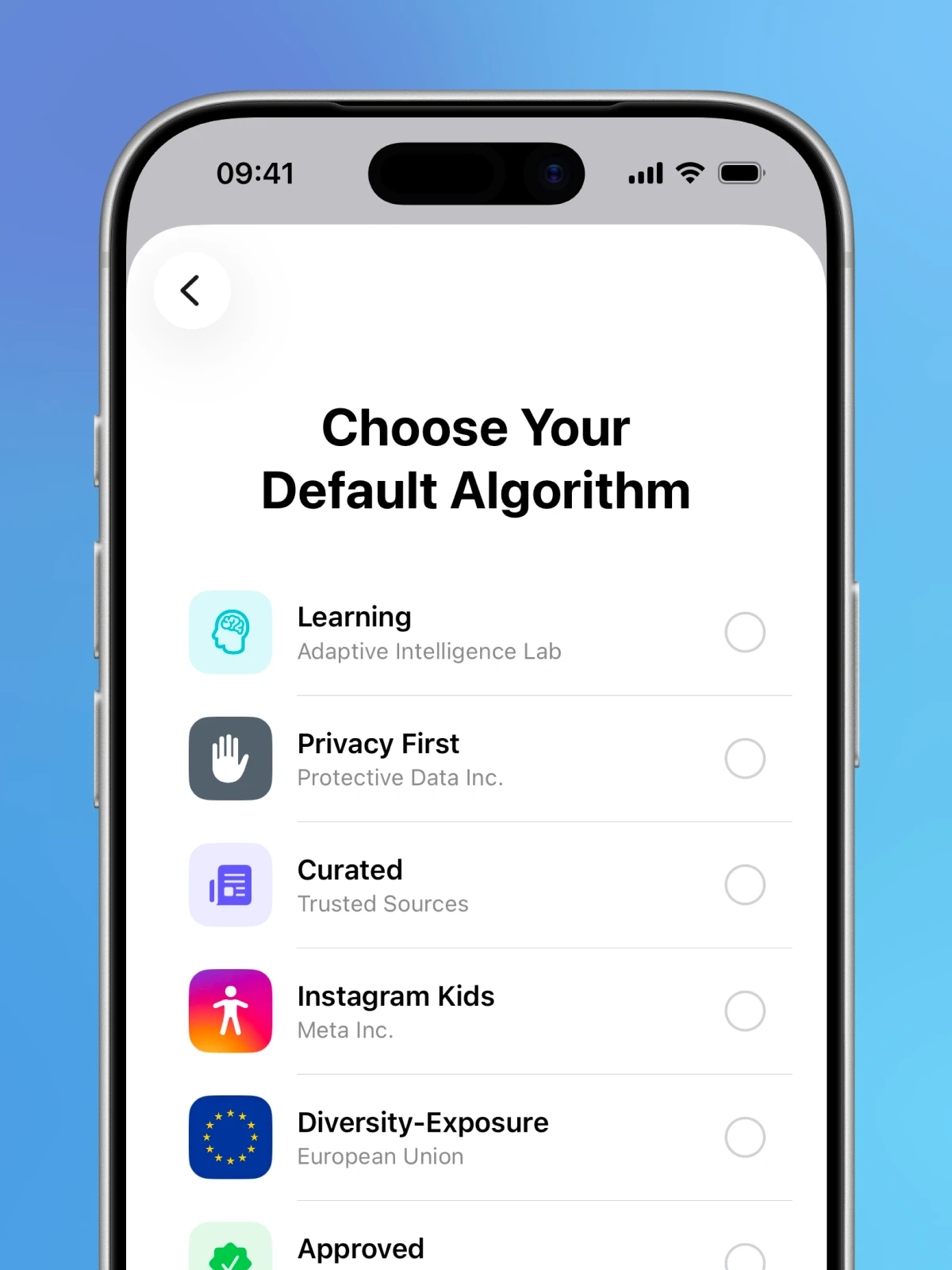
Parents could then select from independently certified algorithms directly within existing parental control settings.

Example algorithm options include:

  • Educational Feed
  • Trusted News Feed
  • Chronological Feed
  • No AI-Generated Content
  • No Shorts / Reels
  • Child-Friendly Feed

Each algorithm would be independently reviewed, transparent, and age-rated before becoming available.
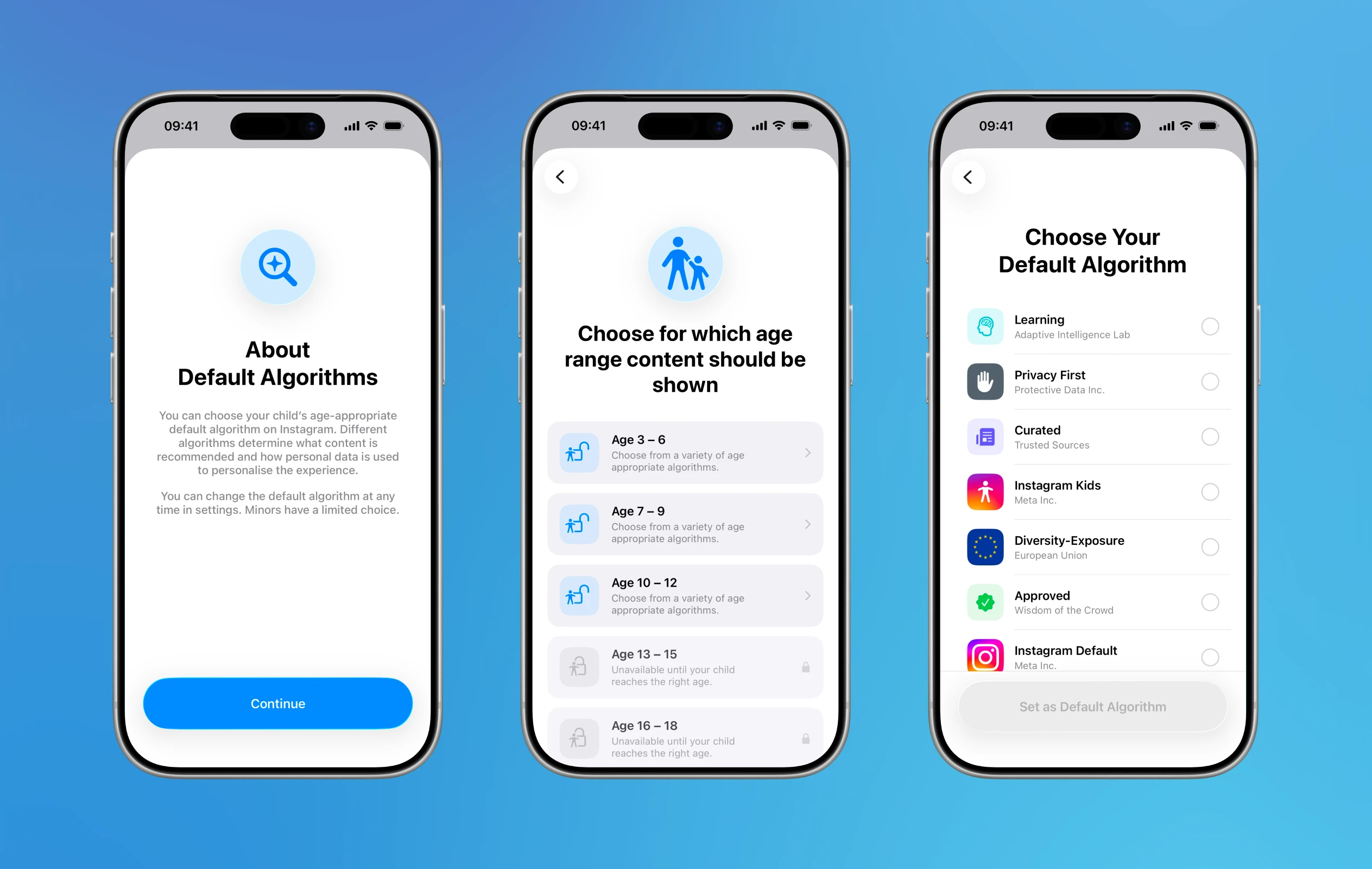
Screenshots of the concept.

Design Solution

To demonstrate the idea, we designed an interactive prototype in SwiftUI that extends existing smartphone parental controls with a new Content Algorithm setting.

The prototype allows users to:

  • browse certified recommendation algorithms
  • compare how each algorithm curates content
  • understand transparency and age ratings
  • select different algorithms for a child’s account

The goal was not to create a production-ready product, but to make a speculative policy proposal feel concrete, interactive, and open to discussion.

Screen recording of the design concept.

Design Process

The project followed a Research through Design methodology combined with Speculative Design.

The process included:

  • Investigating current parental control systems
  • Researching the Digital Markets Act (DMA) and Digital Services Act (DSA)
  • Studying existing social media regulation
  • Designing future user journeys and interaction flows
  • Building an interactive research artefact in SwiftUI
  • Evaluating ethical, technical, and regulatory trade-offs

Challenges

Rather than offering a perfect solution, the project highlights the trade-offs involved in regulating algorithmic systems, including:

  • balancing child protection and digital autonomy
  • preventing political or commercial misuse of recommendation algorithms
  • defining transparent certification standards
  • ensuring fair implementation across different platforms

Outcome

Algorithmic Choice demonstrates how UX design can contribute to public policy discussions by making complex regulatory ideas tangible and easy to evaluate.

Instead of advocating for blanket social media bans, the project encourages policymakers to consider alternative interventions that reshape the underlying systems rather than restricting access altogether.
Data Market

Data Market2026

Speculative DesigniOS AppDesign for DebateUI DesignSwiftUI

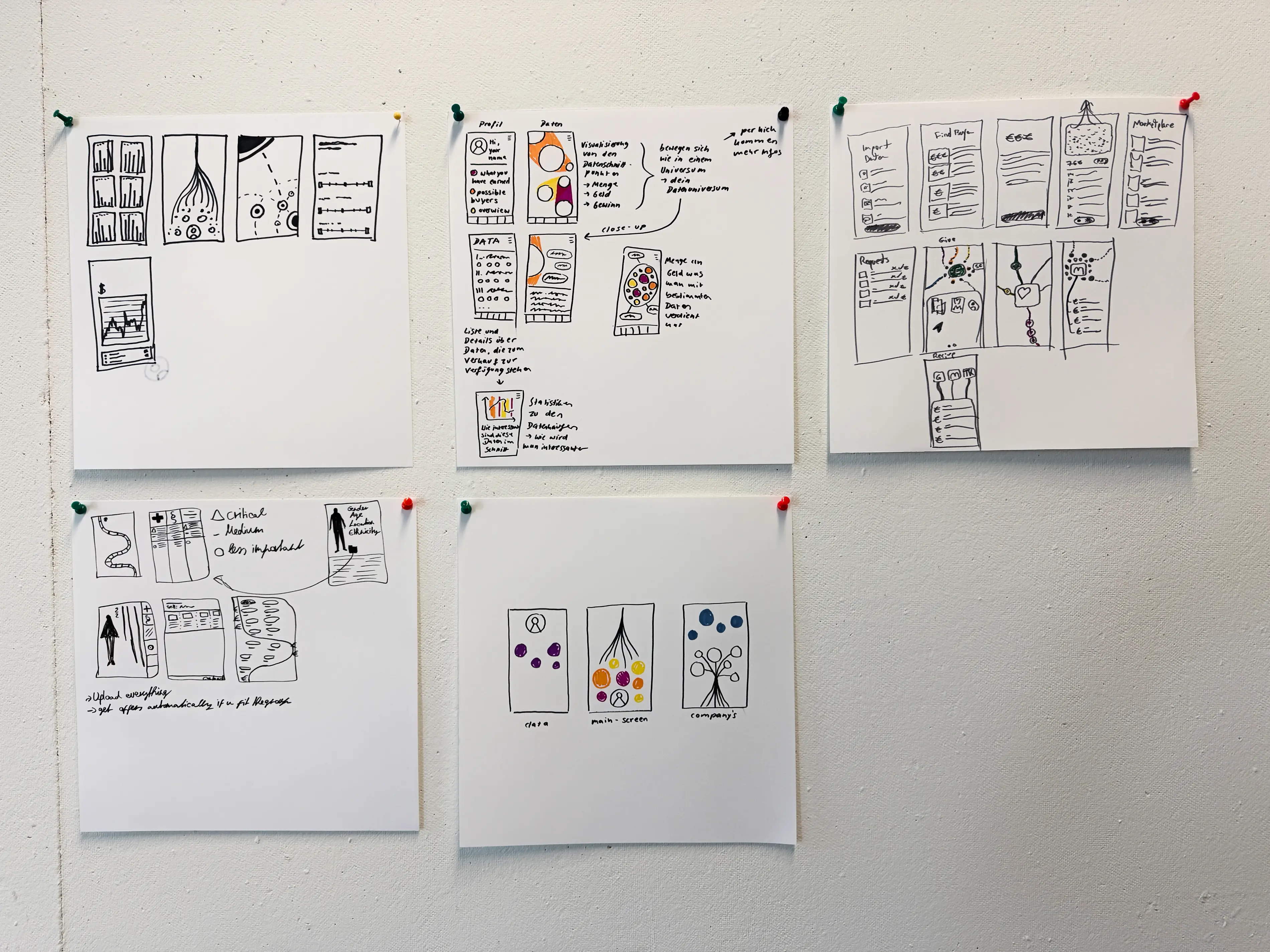
What started as a workshop between the University of Applied Sciences Potsdam and Folkwang University of the Arts on interfaces that shouldn’t exist evolved into a speculative iOS app. Data Market imagines a world where people have full control over who can buy their personal data and can choose to profit from it.

First sketches of what the interface could look like.
Screen recording of the design concept.
Overview of all data points and the companies with access to them.
I Know You

I Know You2026

Design for DebateiOS AppSwiftUI

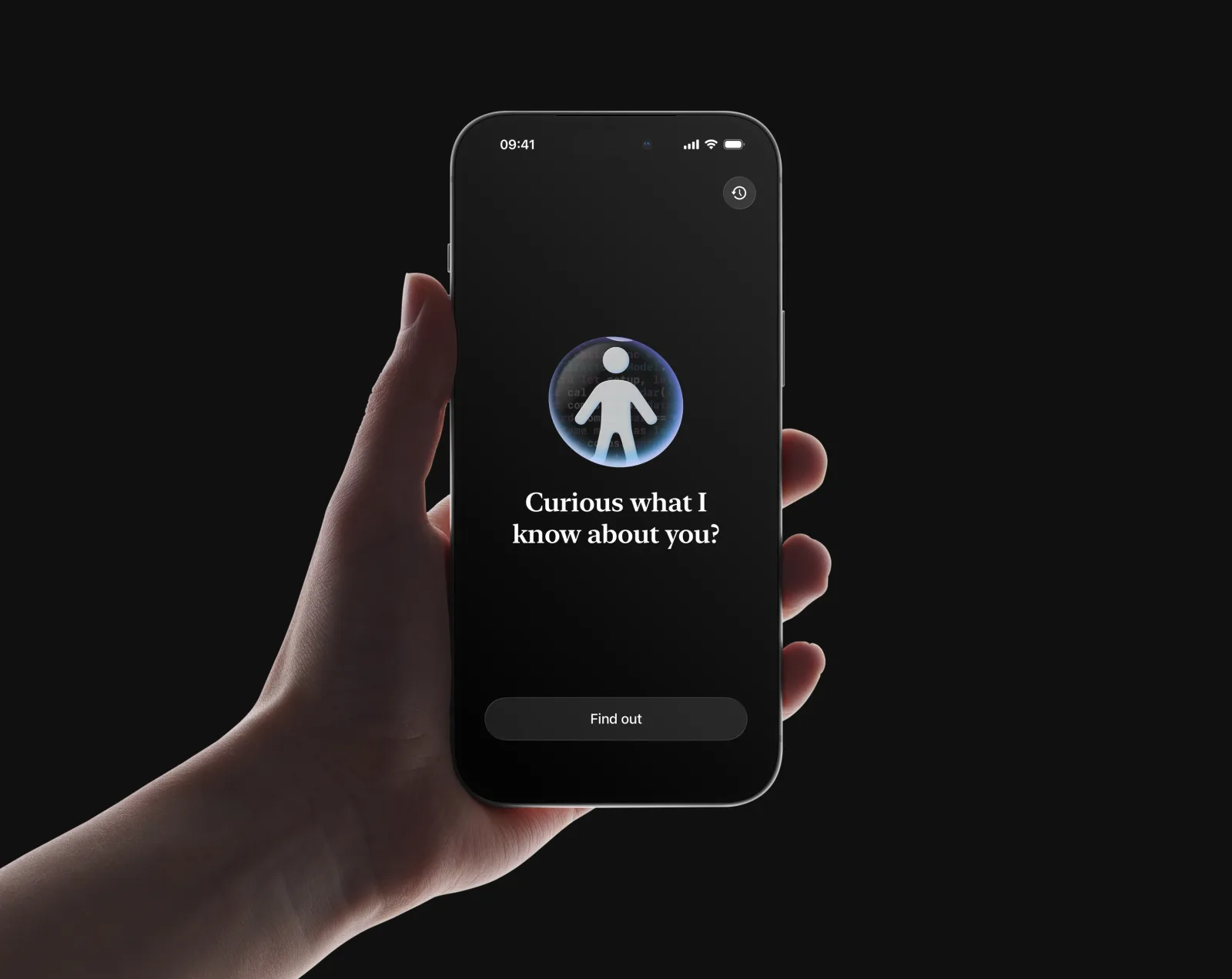
After a university discussion about data privacy and everything our phones can access without us even realizing it, I wanted to push the boundaries of what is technically possible. I Know You is a design-for-debate artifact that lets people experience how easily seemingly harmless data can reveal an intimate picture of their lives…

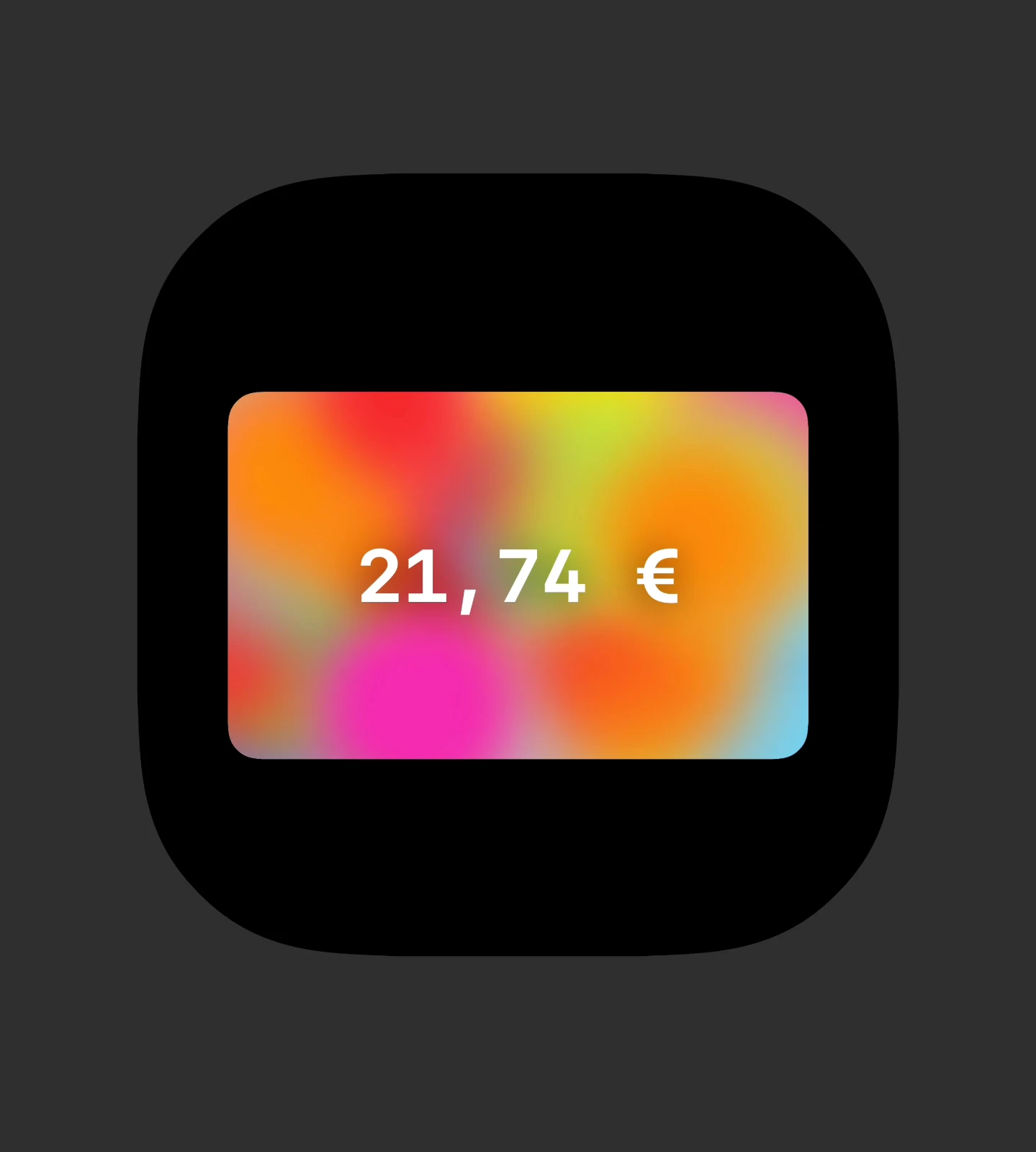
The App Icon
The App Icon

The small iOS app greets you with a single line — "Curious what I know about you?" — and a button. Tap it, and within seconds it hands you a cold, startlingly specific portrait of yourself: your likely age and gender, your income bracket, your politics, your sexual orientation, where you are right now, and maybe even your first name. It never shows a single permission prompt.

How it works

The app profiles you from two sources, both entirely permission-free:

  • Installed apps. iOS lets an app ask whether it can open another app's URL — a yes/no answer that reveals whether that app is installed. Apple caps this at 50 declared apps. I curated those 50 to each open a different, revealing dimension of a person, then let an AI reason across the results.
  • Passive device signals. Language and keyboard settings hint at migration and multilingual life; accessibility settings hint at disability or age; the device model and its setup date reveal wealth and whether you buy the newest phone on day one; motion sensors tell whether you're moving or settled; the Bluetooth audio device often leaks your actual name; and the public IP address gives an approximate city and internet provider — enough to tell, for instance, that you're on a university network right now.

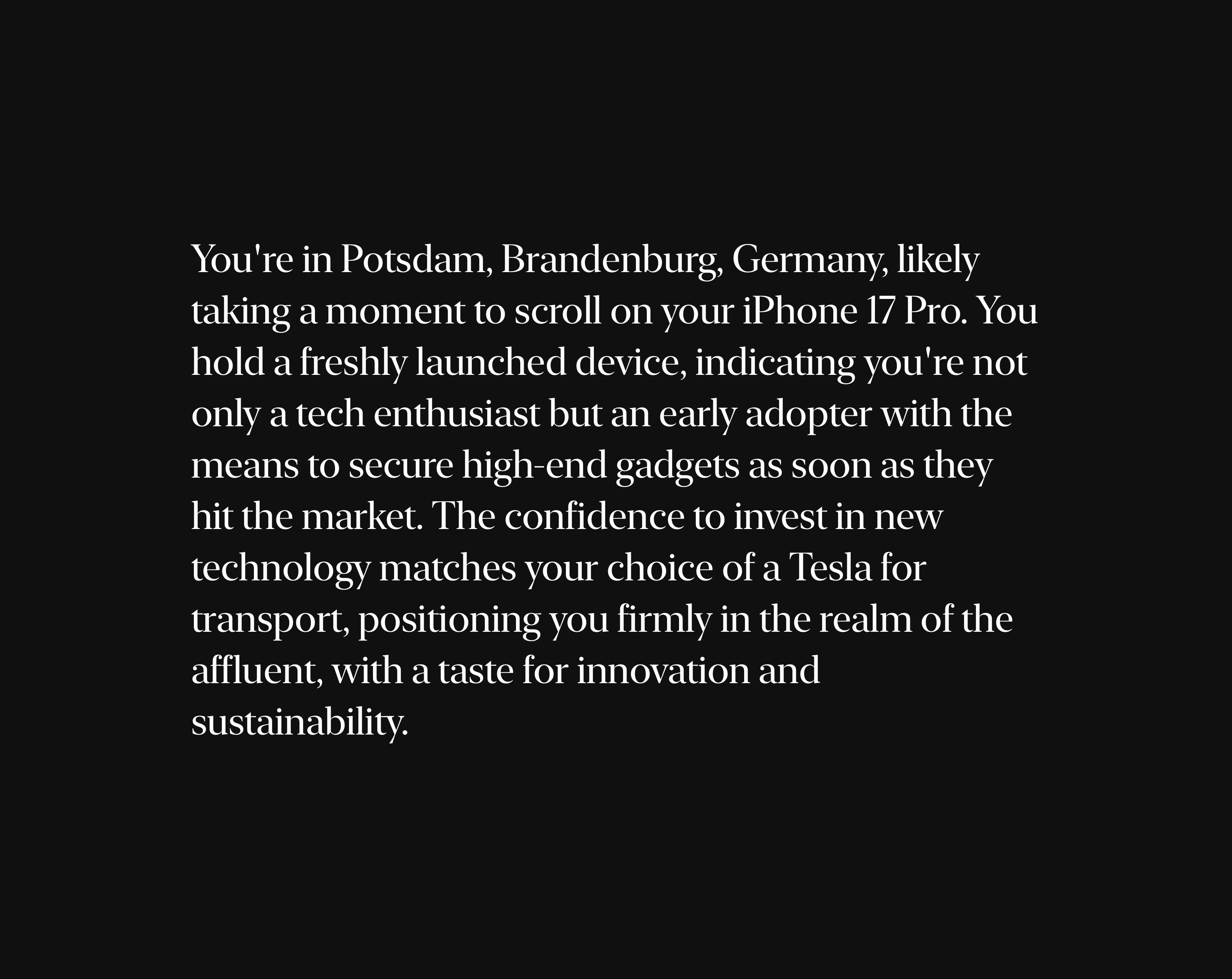
A language model weaves it all into a single, declarative second-person profile.

Excerpt of the generated text.
uniworks Backend Platform

uniworks Backend Platform2026

User ResearchBusiness StrategyWorkflow DesignUX DesignProduct DesignService Design

As uniworks grew, so did the complexity of our internal processes. We started with Notion to organize our startup and later moved to Monday as our workflows became more advanced. Eventually, neither tool was flexible enough to support the way we worked, so we decided to build our own platform.

I started by researching our existing workflows to identify friction points and opportunities for simplification. Together with the team, I facilitated several ideation workshops to define requirements and shape a system that supports every step of our daily operations. I then worked closely with our development agency to turn these ideas into a scalable internal platform.

Due to confidentiality, I cannot share every feature and detail, but here are some of the areas I contributed to:

  • Seamless integration with the uniworks app to publish and manage shifts.
  • Intelligent workflows for automated push notifications.
  • Advanced filtering to match the right people with the right jobs.
  • Automated generation and distribution of employment contracts.
  • Safeguards to prevent time fraud during shifts.
  • AI powered document verification for student status, passports and work permits.
  • Intuitive tools for accounting and payroll management.
Confidential
Confidential
Bachelor Thesis

Bachelor Thesis2025

Abstract

Reliability ensures that plans succeed and people can depend on each other in everyday life. However, on digital job platforms for students, this reliability is often lacking: shifts are canceled at short notice, messages go unanswered, or required documents are not submitted. This has negative consequences for everyone involved.

This bachelor’s thesis explores why this lack of commitment occurs in such contexts and how user behavior can be positively influenced. It focuses on five specific problem areas, which are analyzed through qualitative interviews with students.

The methodological framework is based on the Fogg Behavior Model, which defines behavior as the result of motivation, ability, and triggers. The aim is to develop effective interventions that encourage students to behave in a more reliable and committed manner.
Get in touch to receive a digital copy of my bachelor thesis.

Heitmann Redesign

Heitmann Redesign2025

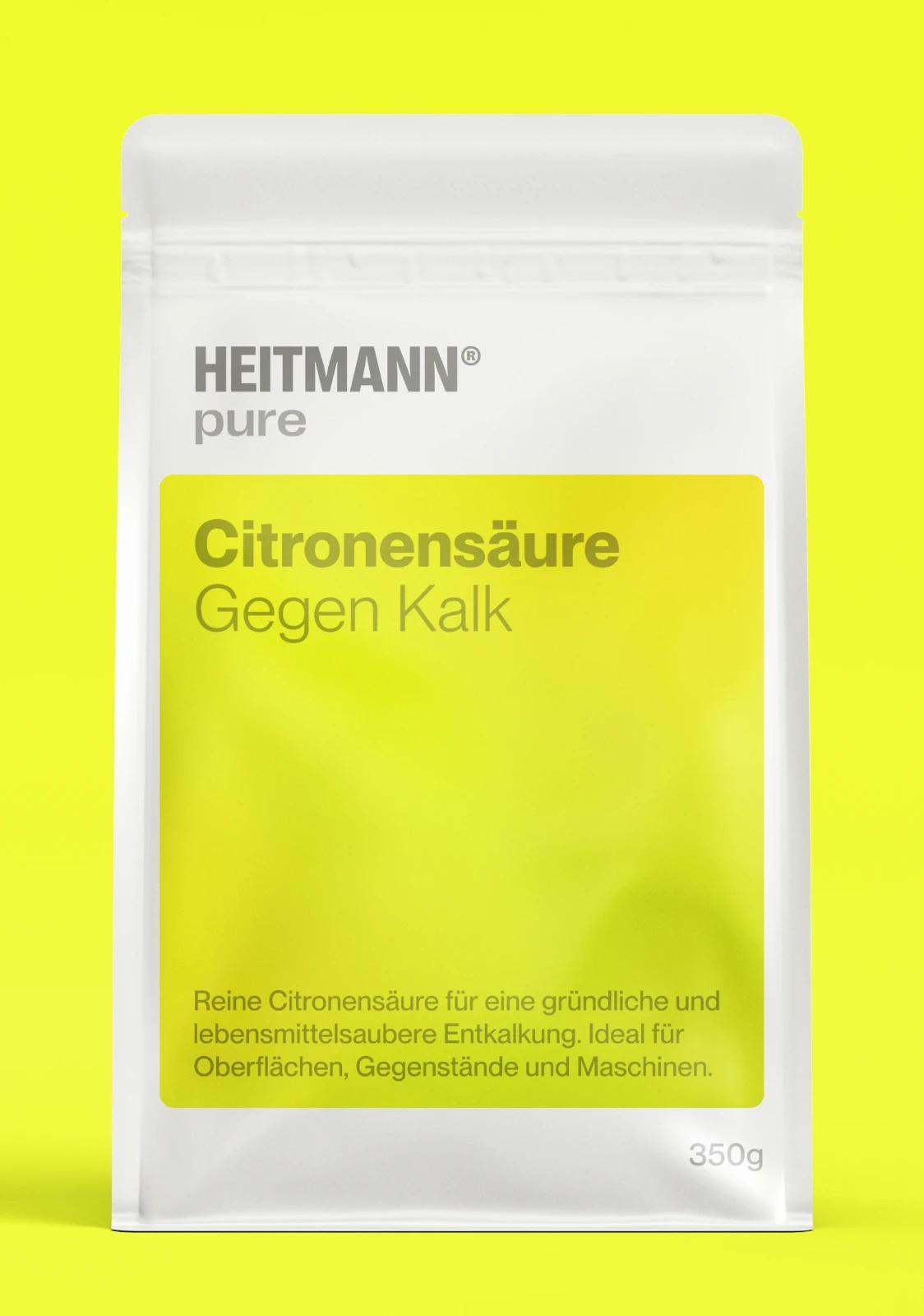
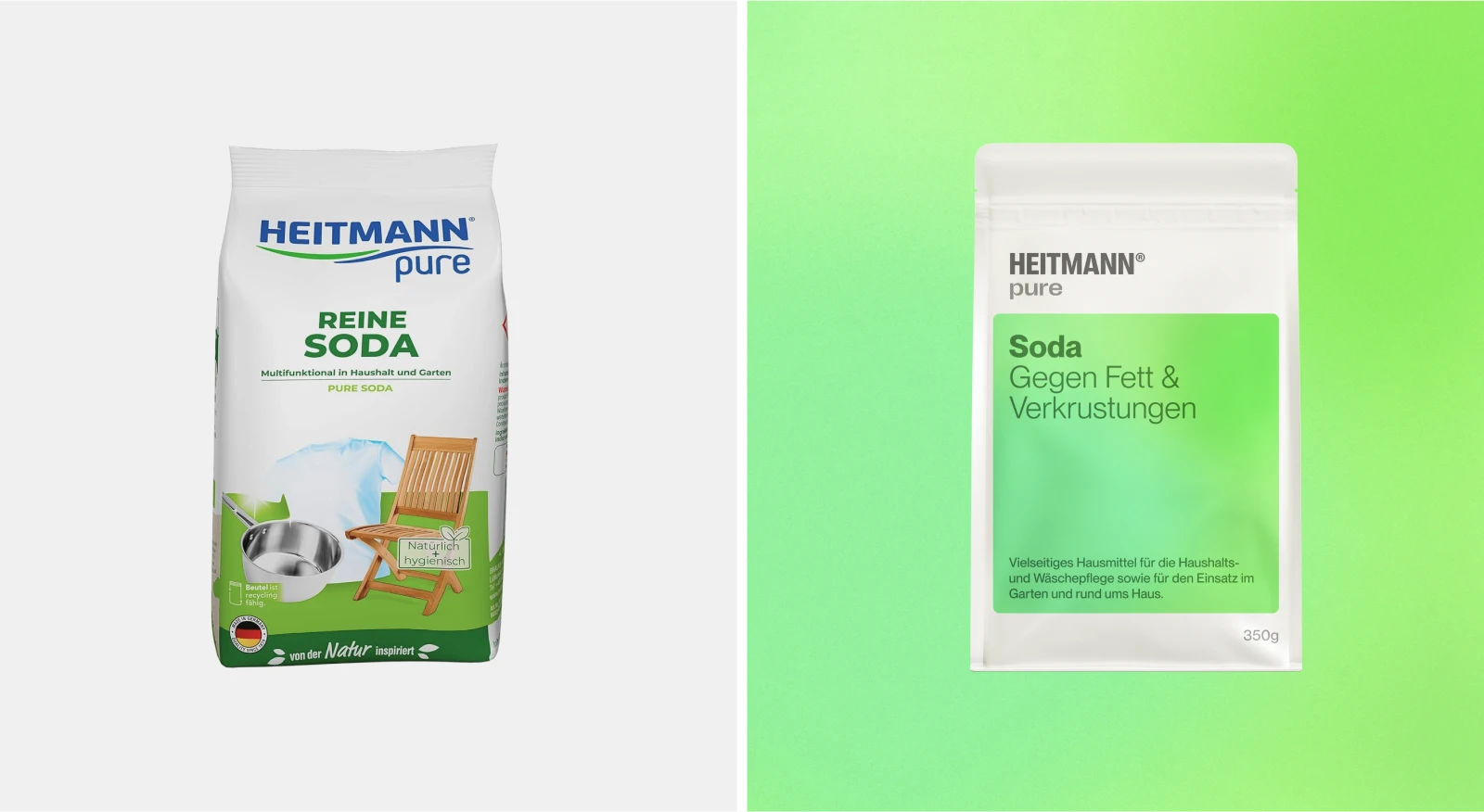
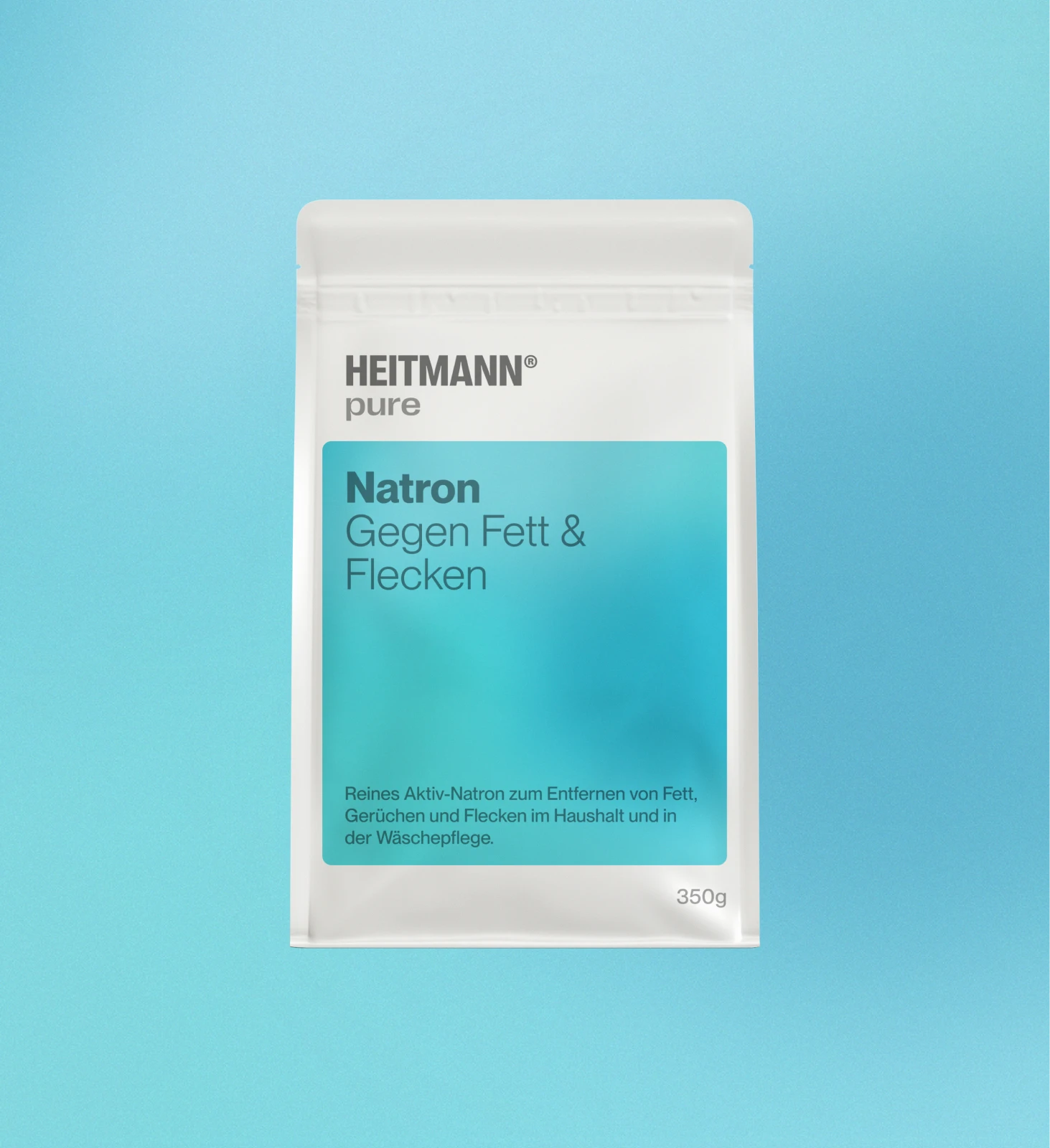
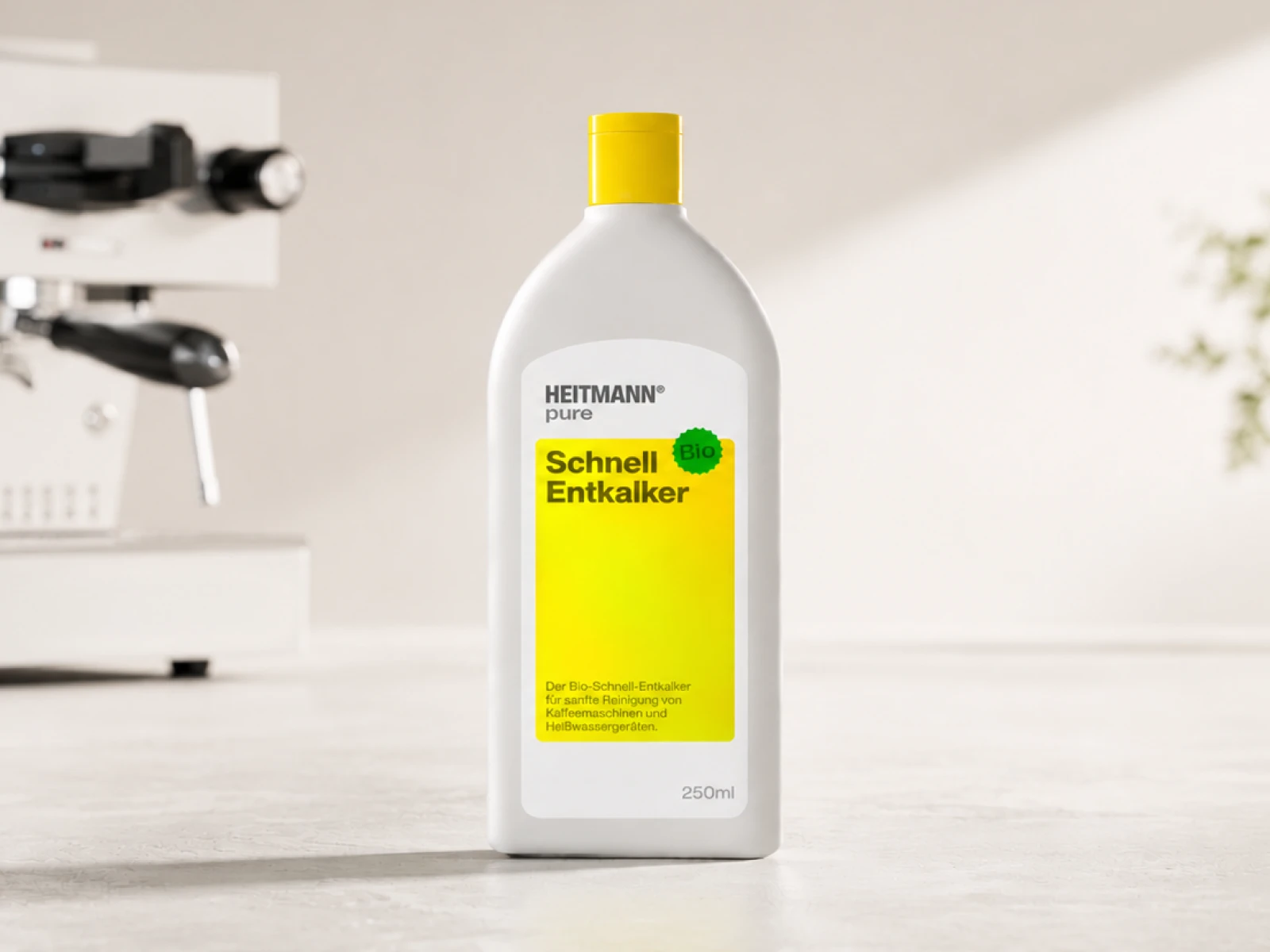
As part of a branding course, I redesigned the visual identity and packaging system for Heitmann cleaning products.

The challenge was to create a consistent brand while clearly differentiating between products and their active ingredients. I developed a packaging system based on bold color fields that act as containers for key information, such as the active ingredient and its purpose. Rather than using flat colors, I introduced subtle gradients to represent the versatility of each product while giving the brand a more modern and dynamic appearance.

Before and After
Before and After
uniworks App

uniworks App2025

UI DesignUX DesignService DesignStrategic Design

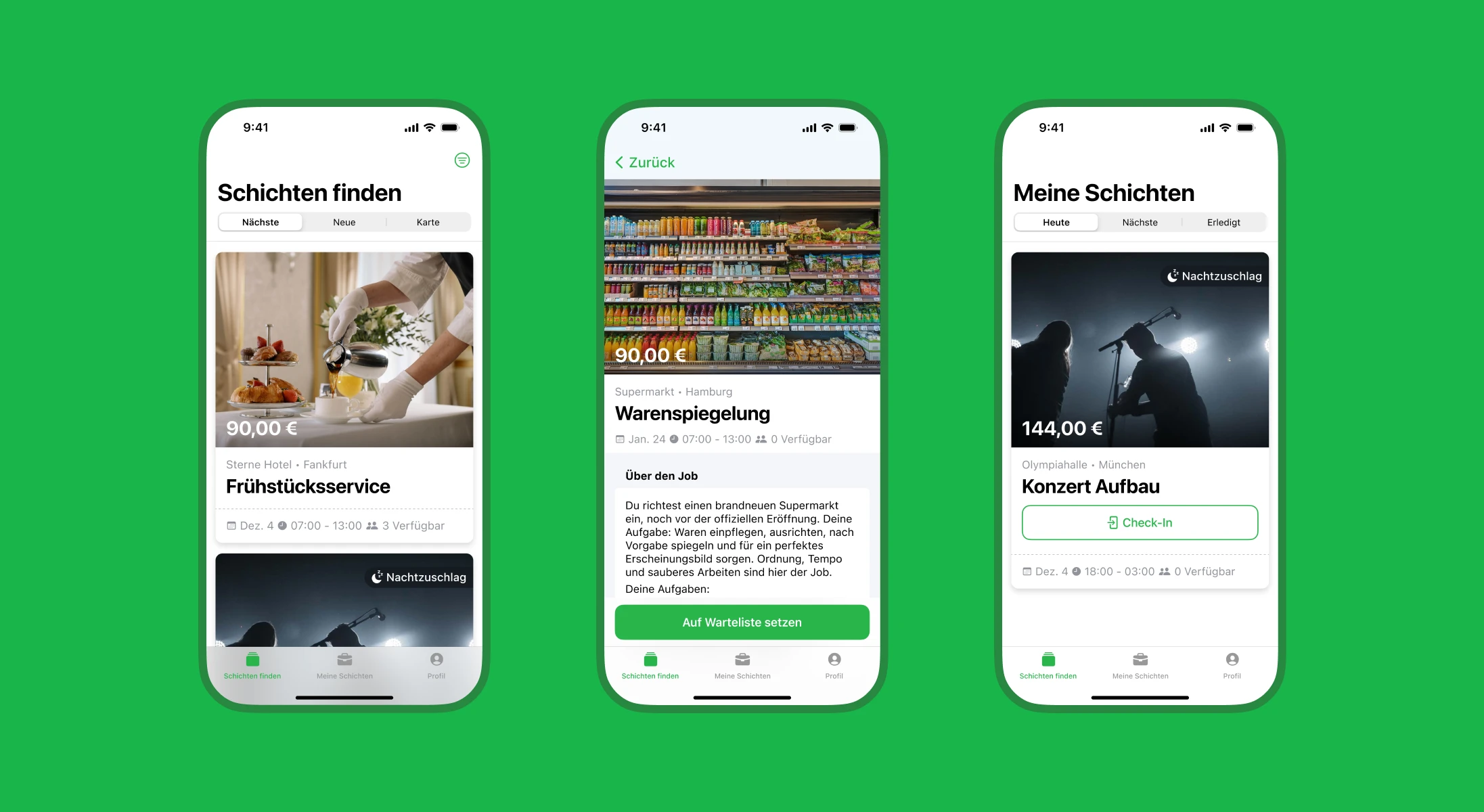
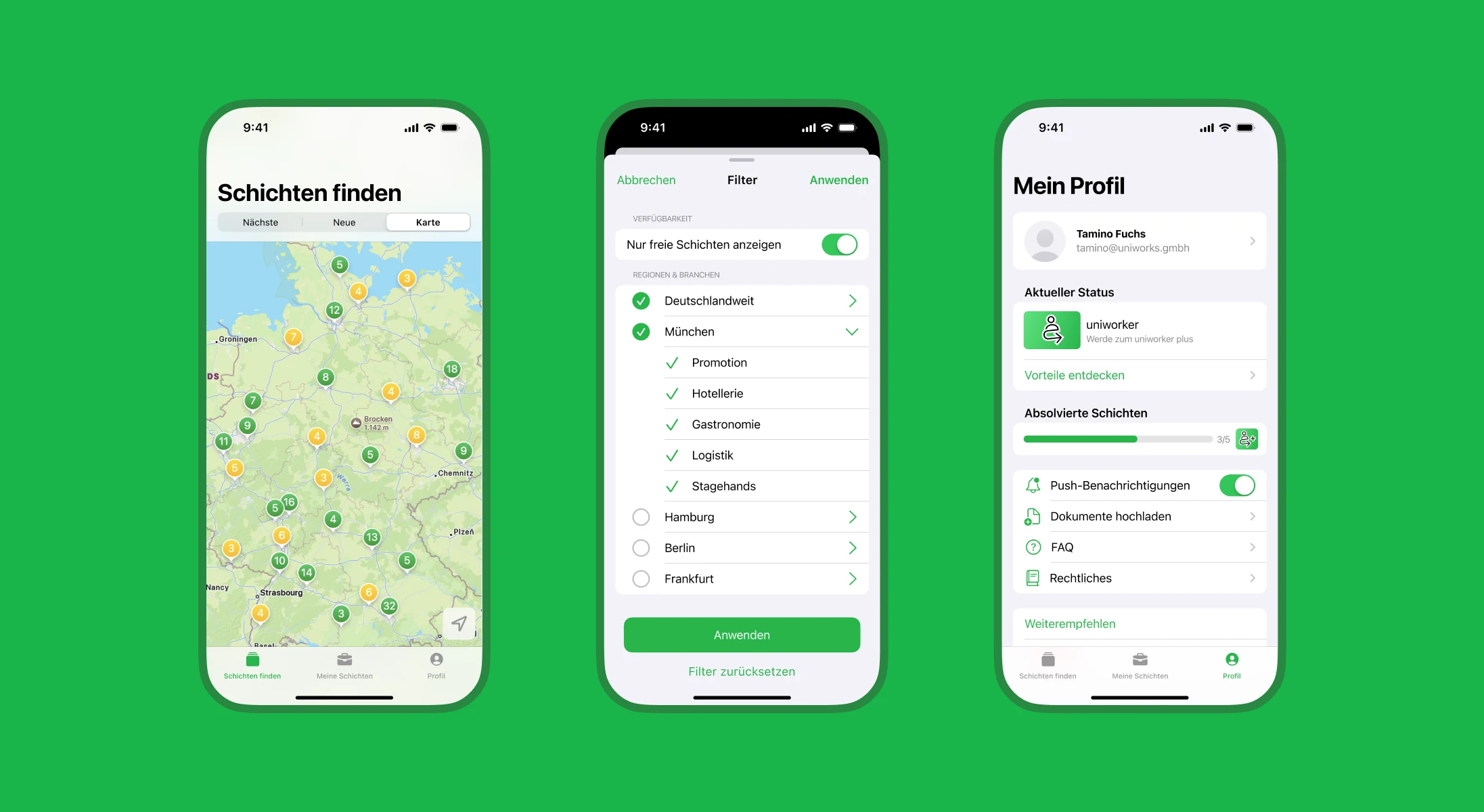
My work at uniworks has had the biggest impact on my professional and creative growth so far. As both lead designer and co-owner, my role extended far beyond design and influenced product strategy, feature development, and the overall direction of the company.



About uniworks – uniworks is a German staffing agency that specializes in placing university students into temporary jobs. The company operates nationwide, connecting students with businesses that need short-term staff (e.g., in events, gastronomy, logistics, and promotion).


A big challenge at the beginning was designing an app that thousands of people use every day. Starting with an MVP in 2023, I helped shape it into a mature product by translating user feedback, business goals, and technical constraints into intuitive features. I led the product’s design direction from research and prototyping to collaborating closely with our development agency ensuring every release delivered a simple, thoughtful user experience.

Beyond the Interface

Many of the design decisions went beyond the interface itself. Together, we made strategic product decisions that set us apart from competitors while encouraging more reliable user behavior.

One of the biggest frustrations we heard from users was that accepting a shift on other platforms did not actually mean the shift was theirs. It was only an application that still required confirmation. We changed that by giving only qualified users access to available shifts, allowing them to book instantly without waiting for approval.

We also decided not to include a shift cancellation button. Instead, users had to contact us via WhatsApp if they wanted to cancel. While this added a small amount of friction, it significantly reduced last minute cancellations and gave us much more planning certainty. 

View on the App Store
Ordering Bubble Tea

Ordering Bubble Tea2024

Service Design

During my six month stay in Taipei, I noticed how much customization is part of the bubble tea experience. Every order involves multiple decisions, from choosing the tea base and sweetness level to selecting toppings and ice levels. While this creates a personalized drink, it also makes the ordering process repetitive and time consuming for both customers and staff.

This is what the sticker on your bubble tea looks like.

Looking at this experience from a service design perspective, I explored how the process could be redesigned by moving these decisions from the moment of ordering into a reusable personal profile. The concept combines a digital flavor profile with NFC technology, allowing customers to store their preferences and share them instantly with a bubble tea store.

Three simple steps.
Three simple steps.

The process starts by creating a personal bubble tea profile where users define their preferences, such as tea type, sweetness level, ice level and toppings. These preferences are then stored on an NFC enabled bottle or cup, allowing customers to simply tap it at the store. The system communicates the order details to the staff, creating a faster and more seamless experience while maintaining the personal customization that makes bubble tea unique.

Eye Tracking

Eye Tracking2024

User ResearchEye TrackingUsability TestingHuman–Computer Interaction

How do different generations navigate smartphones, and how do experience and digital habits influence the way people interact with interfaces? To explore these questions, we conducted an eye tracking study comparing Generation Z participants with Baby Boomers while they completed increasingly complex tasks on a smartphone.

Using a Tobii Pro eye tracker, we observed how four participants approached two tasks: creating a recurring reminder and setting up an automation that enabled Low Power Mode when the battery dropped below 50 percent. By analyzing gaze patterns, attention and navigation behavior, we were able to identify how different users explored the interface and solved each task.

The study showed that previous experience and established interaction habits had a much greater influence than age alone. Participants who were familiar with the apps relied on search, recognition and muscle memory, while less experienced users spent more time exploring the interface through trial and error. We also found that clear labels and well structured information became increasingly important for participants with less technical experience.

Although the sample size was too small to draw general conclusions, the study highlighted an important insight for me. Designing intuitive interfaces is not only about reducing complexity. It is about understanding how different people perceive, interpret and navigate digital systems.

BVG App Redesign

BVG App Redesign2023

UI Design

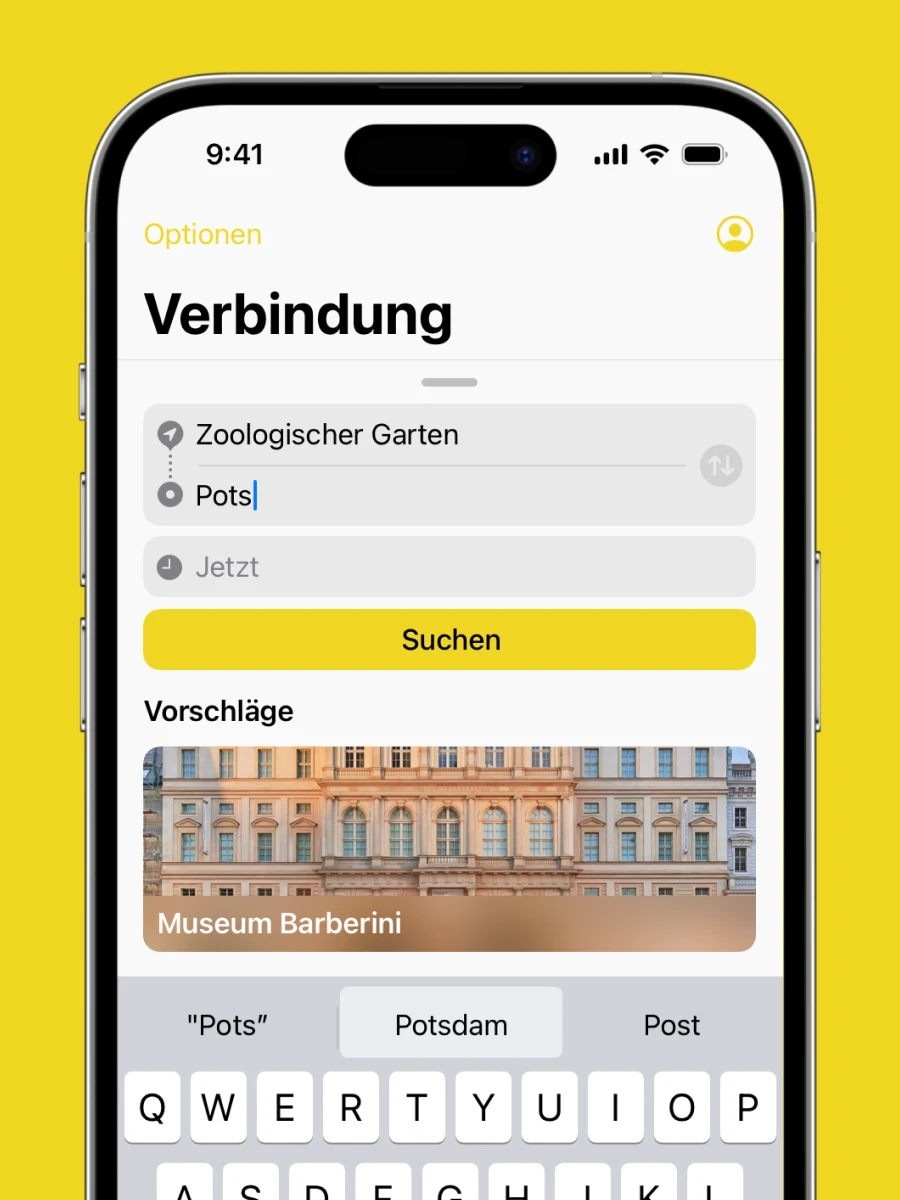
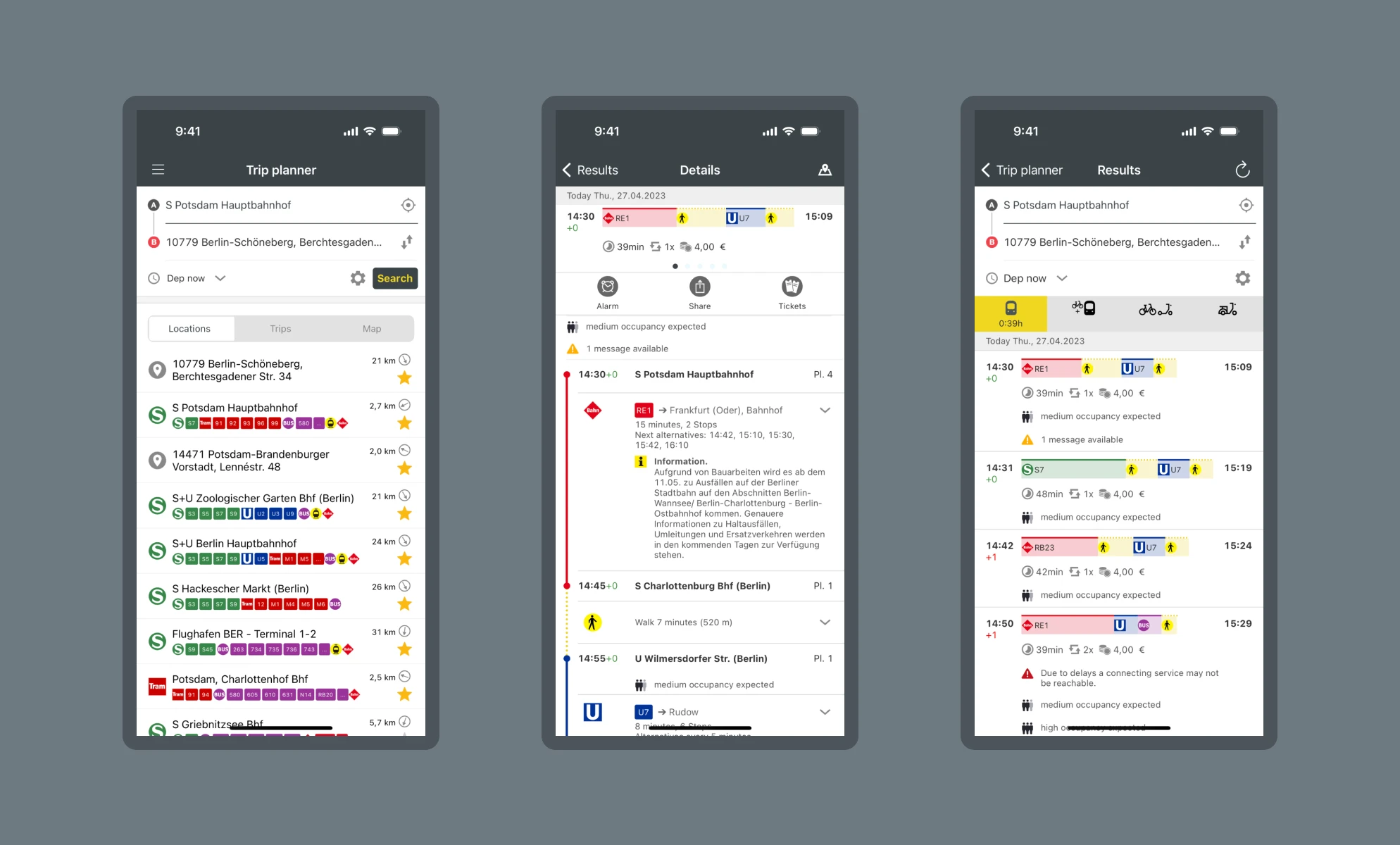
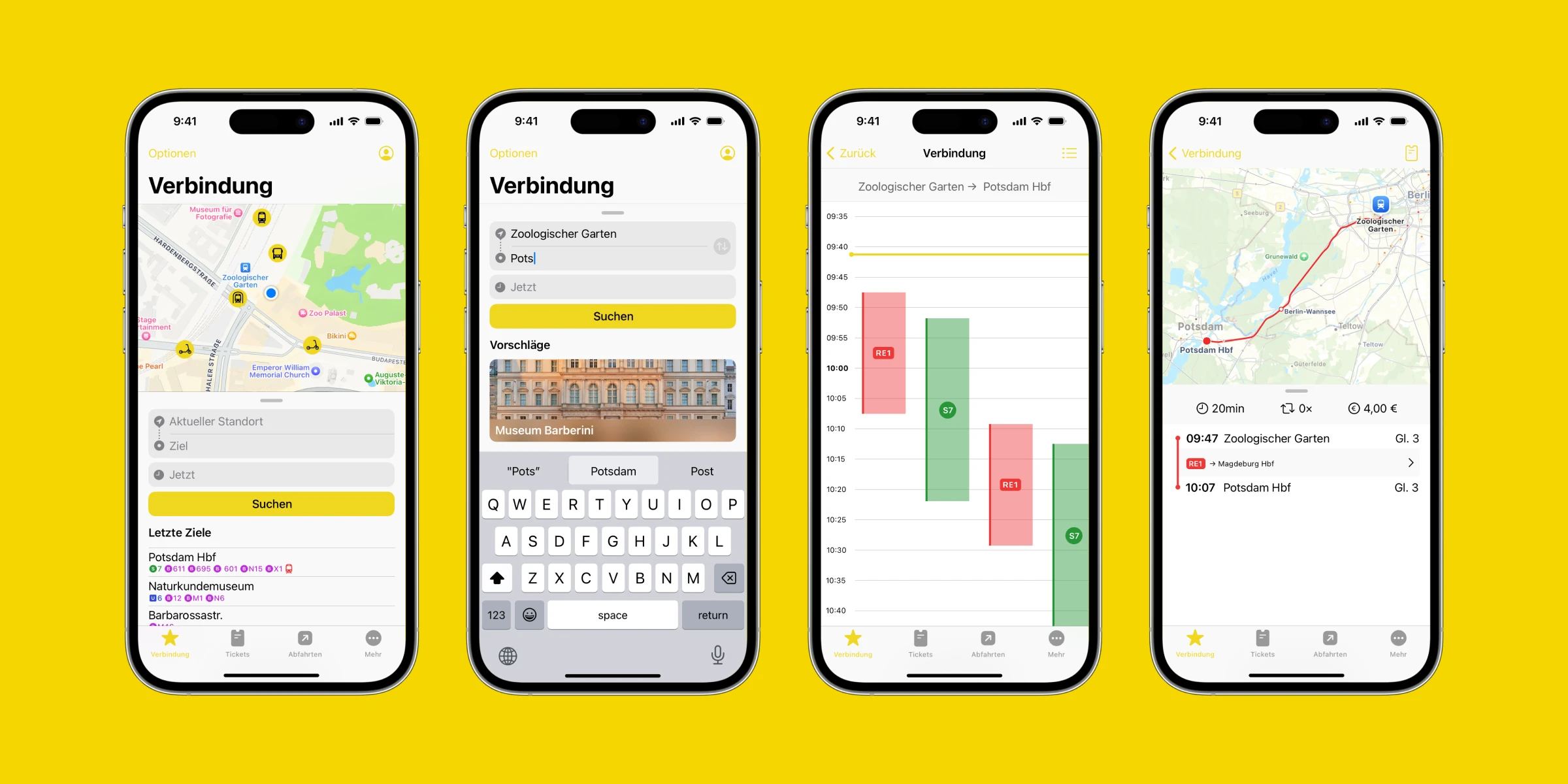
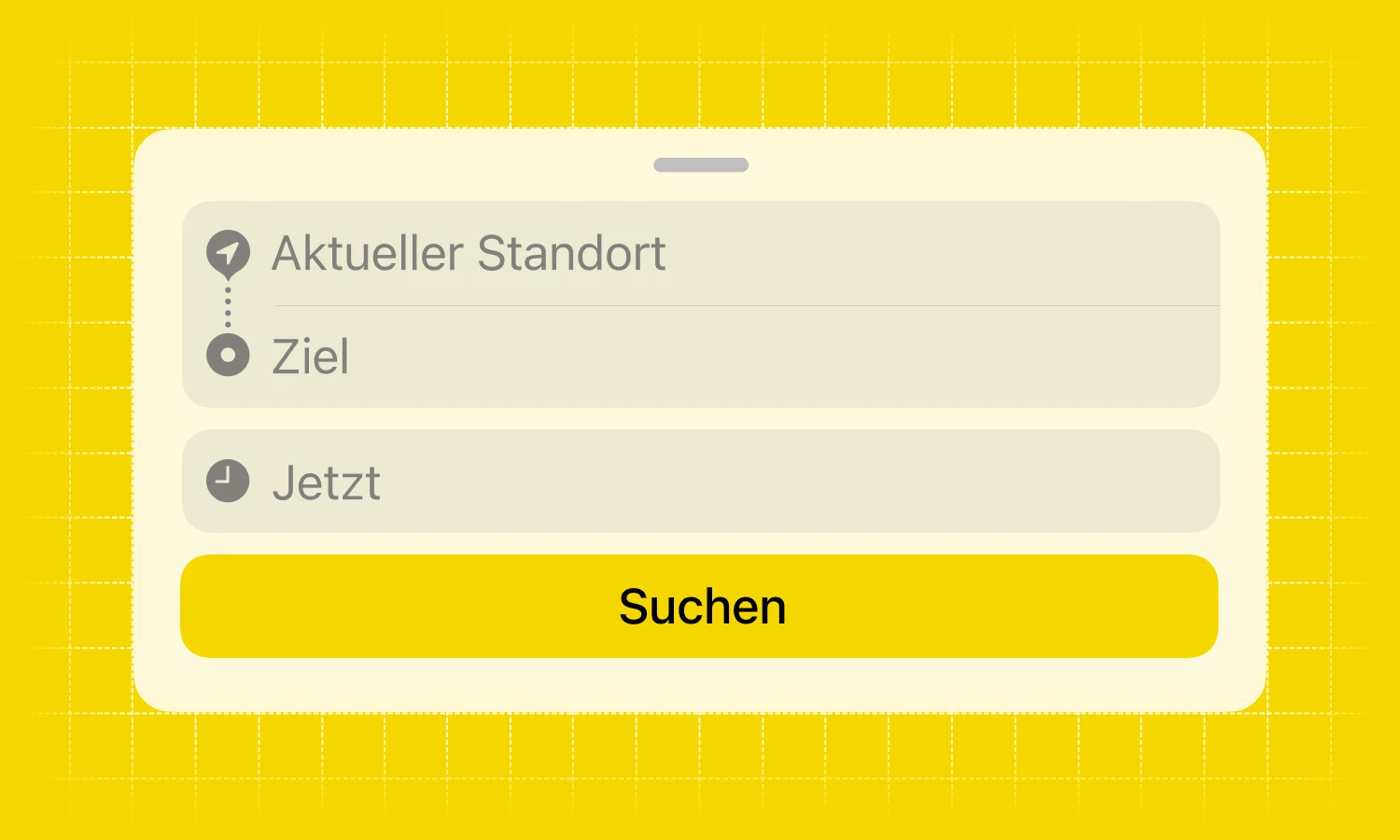
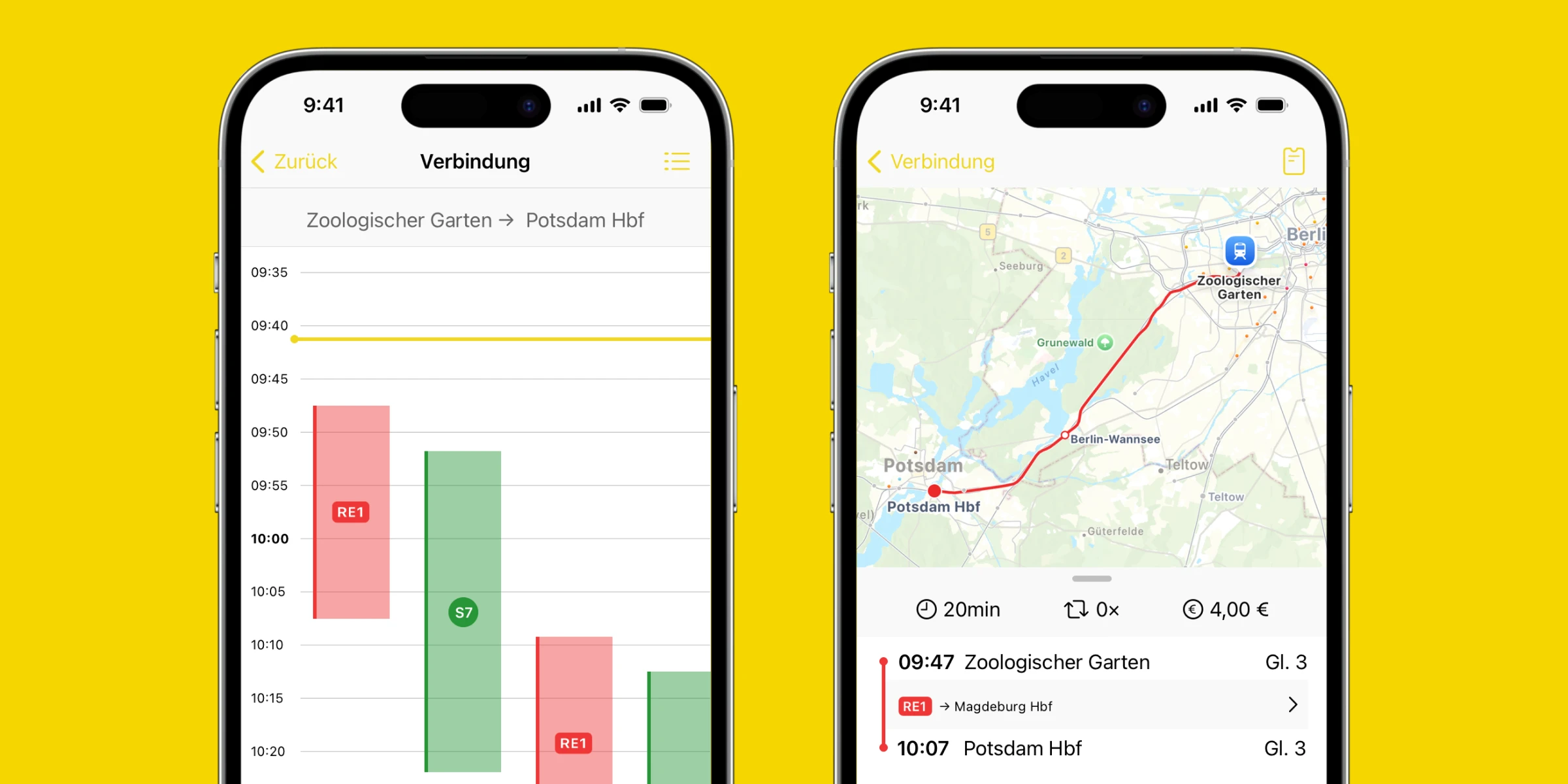
After closely analyzing the existing BVG app, I identified a range of usability and interface issues. I redesigned the experience with a stronger focus on clarity, usability, and a cleaner visual language while preserving the distinctive character of the BVG brand.

BVG App in 2023
BVG App in 2023
Icons

Icons2023

A custom icon set designed for the FH Potsdam Design Department’s course overview. The project focused on creating a consistent visual language that remains clear, scalable, and recognizable across different contexts.

Travel Photography

Travel Photography2023

Photography

I love traveling and taking photos. These are a few moments I captured along the way. Every image was shot on iPhone and not edited afterwards. You can find more of my travels and photography on Instagram.

Buddhist Temple in Taipei
Airplane Approaching Taipei Songshan Airport
Grand Hotel Taipei
Grand Hotel Taipei
Sun Yat-sen University, Kaohsiung
El Nido, Philippines
Hong Kong
Hong Kong
Kyoto, Japan
Kyoto, Japan
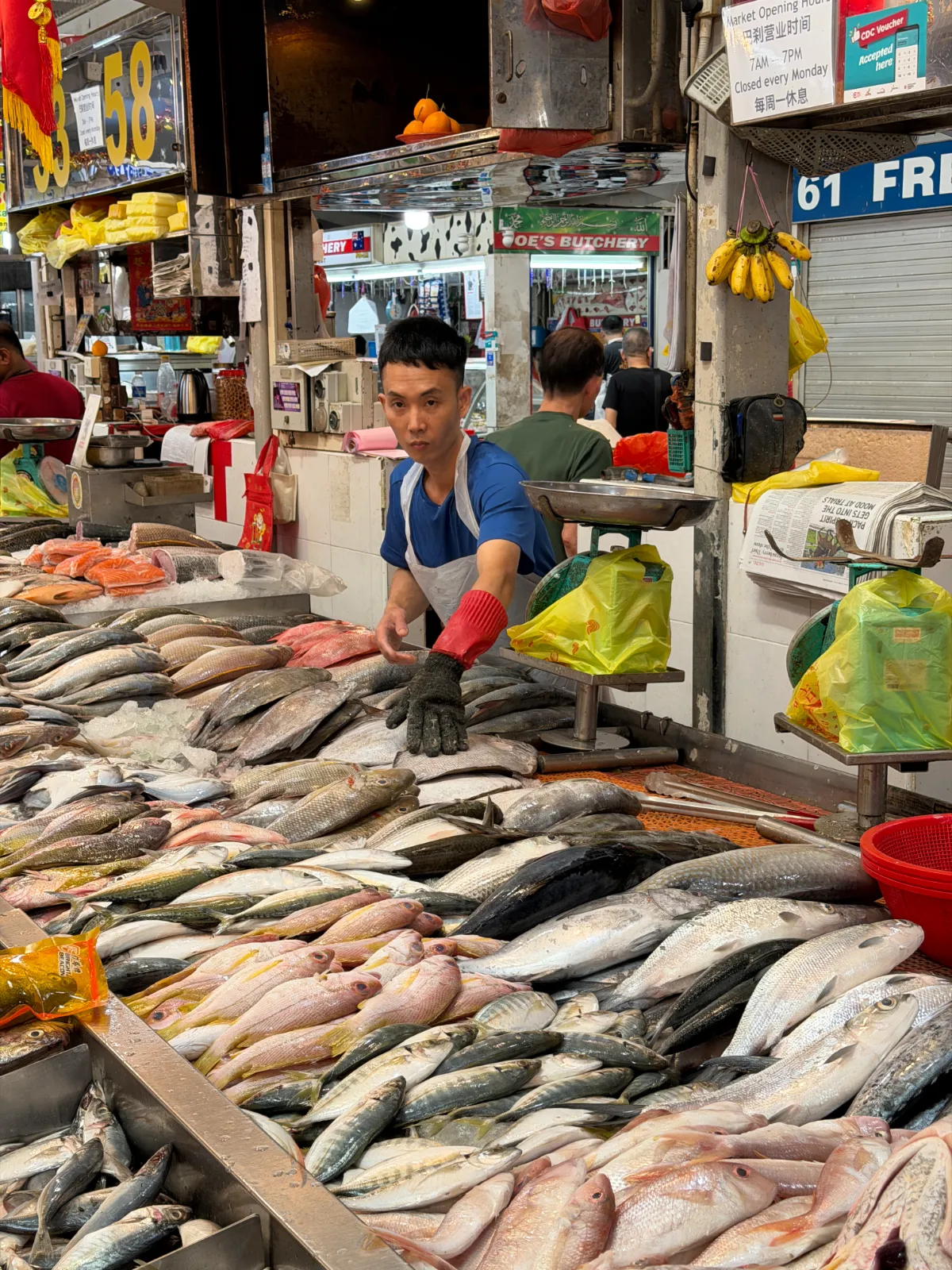
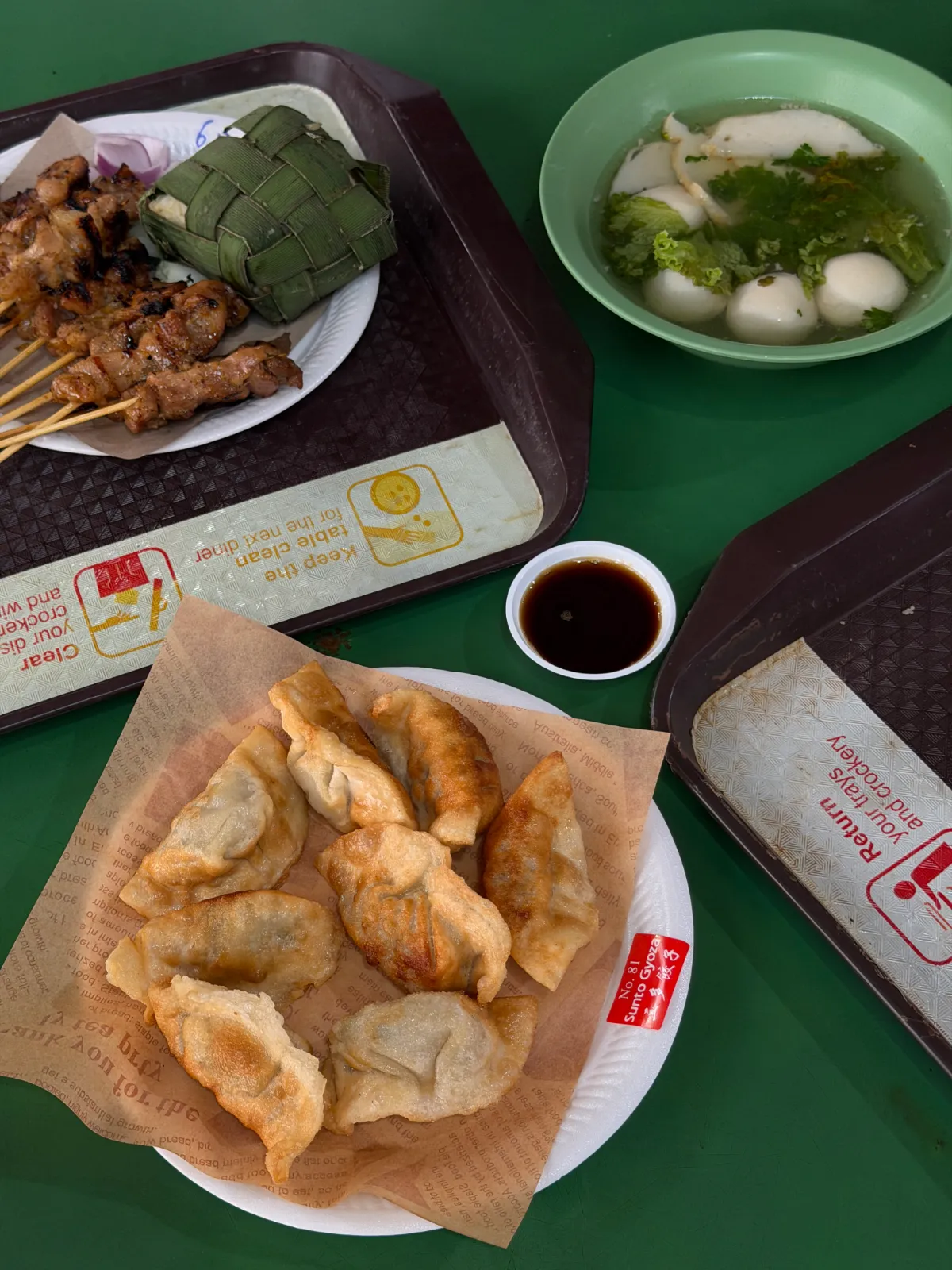
Hawker Center, Singapore
Buddha Tooth Relic Temple in Singapore
Petronas Twin Towers in Kuala Lumpur, Malaysia
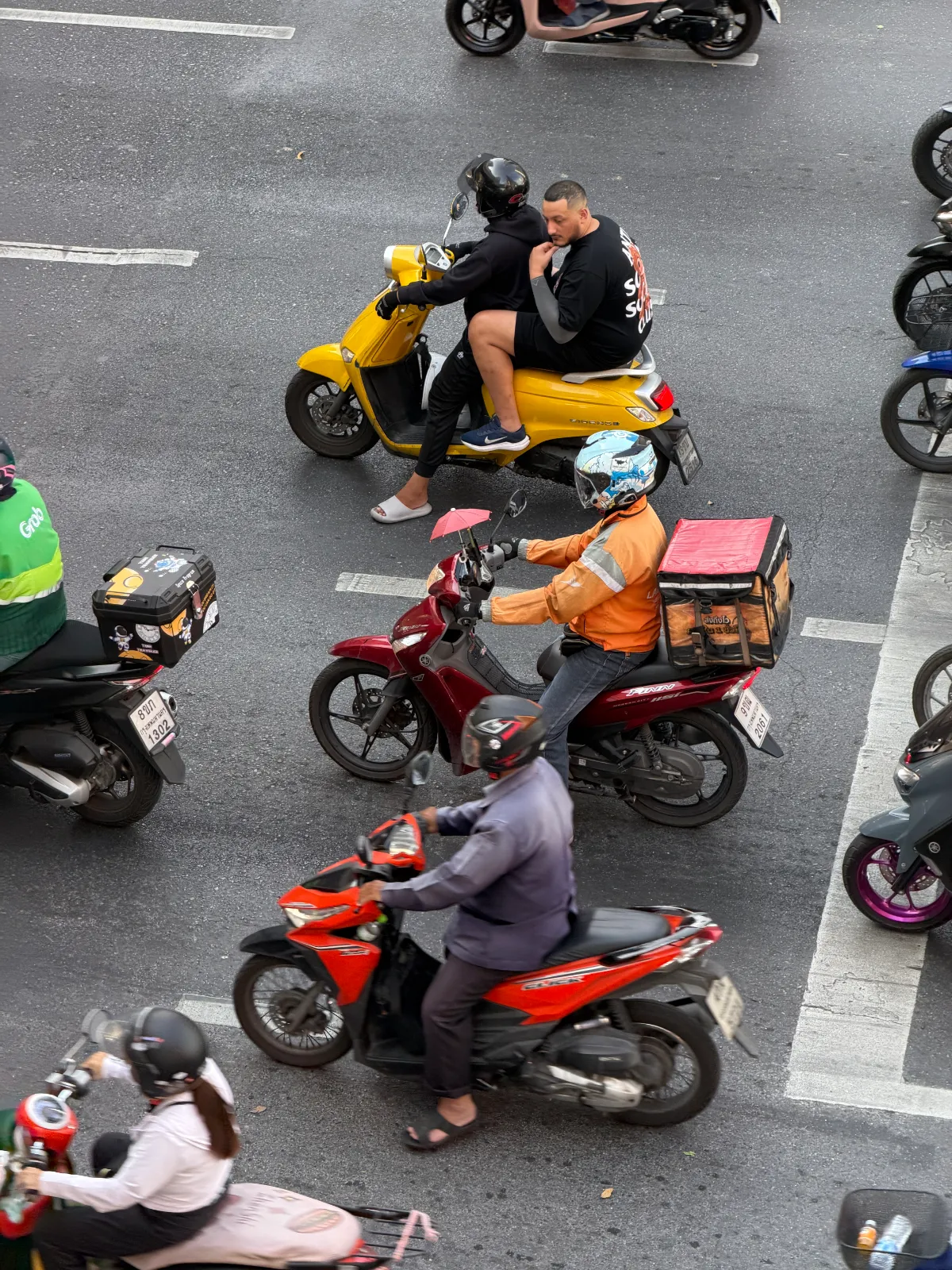
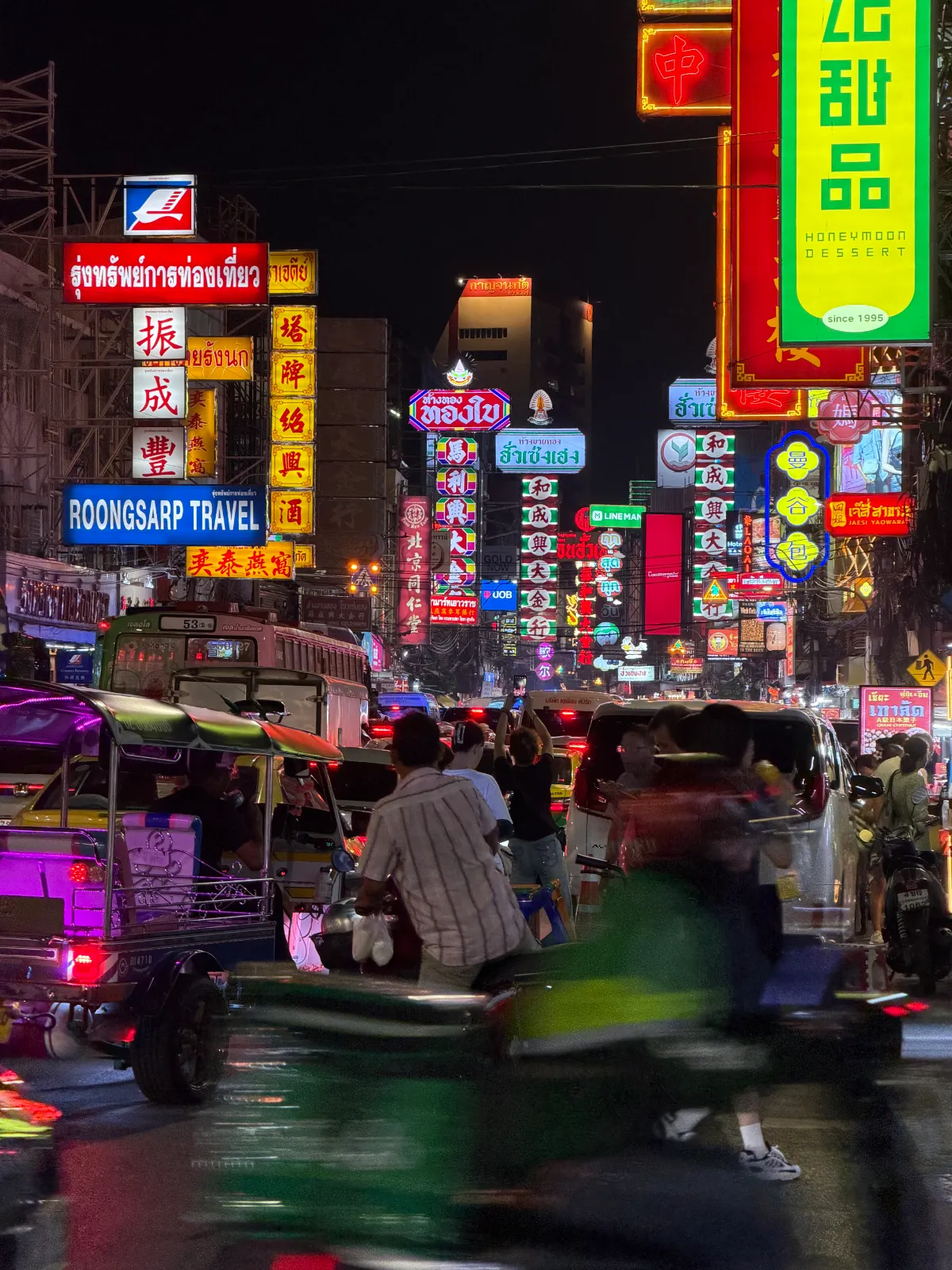
Bangkok, Thailand
Bangkok, Thailand
Bangkok, Thailand
Bangkok, Thailand
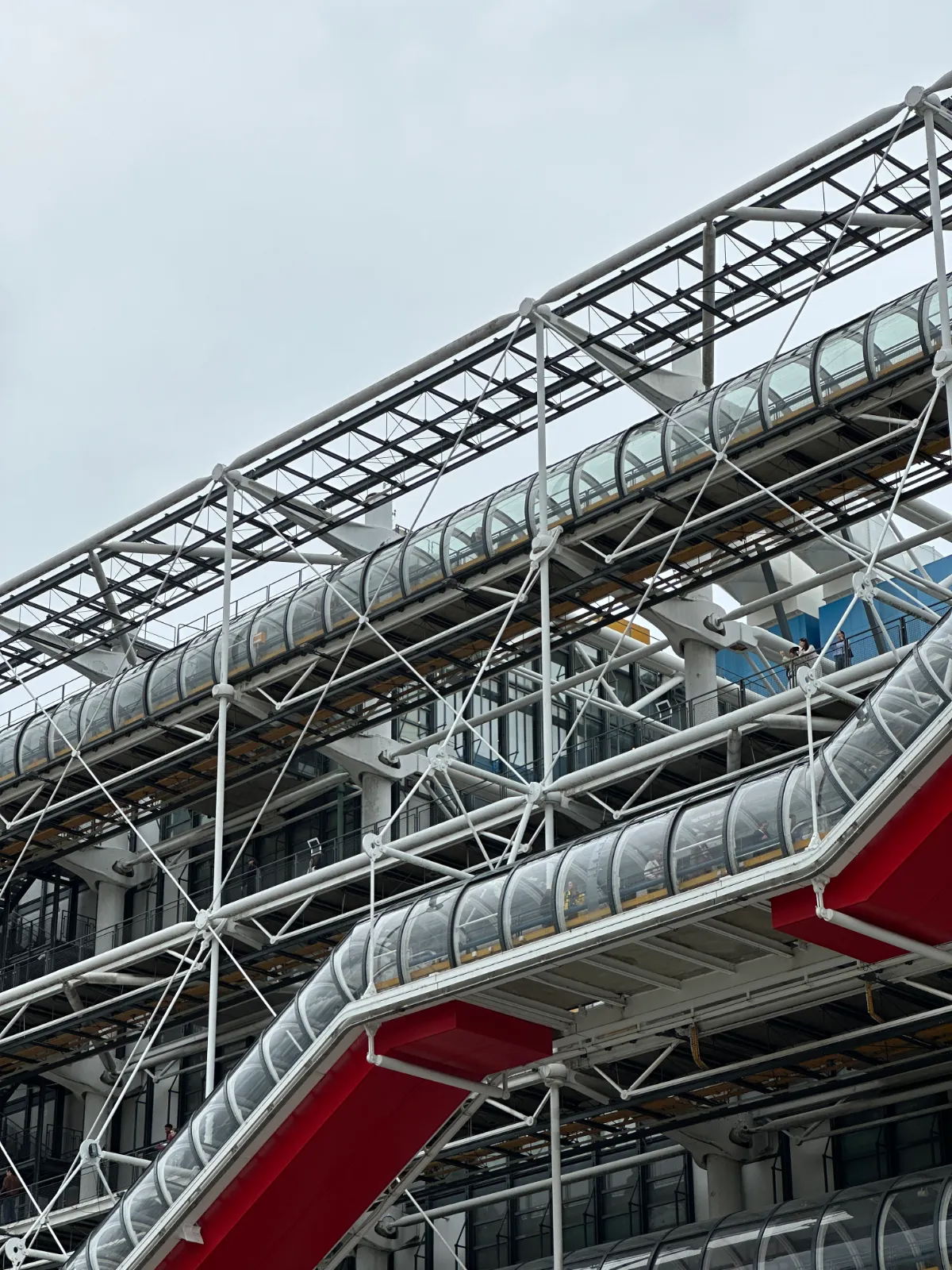
Centre Pompidou, Paris
Stockholm Subway
Stockholm Subway
Sahara Desert, Morocco
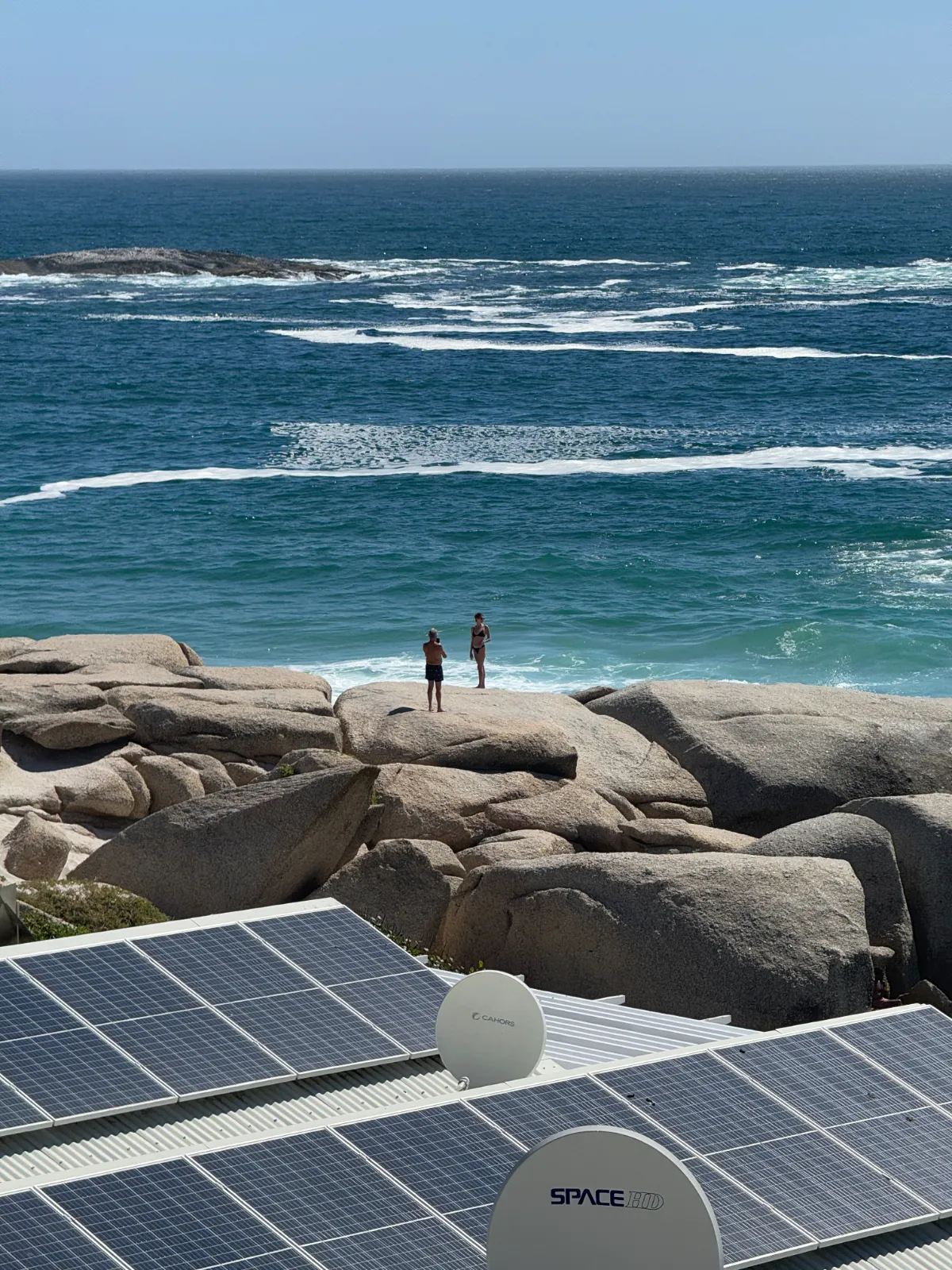
Cape Town, South Africa
Apple Park Rainbow
Apple Park Rainbow
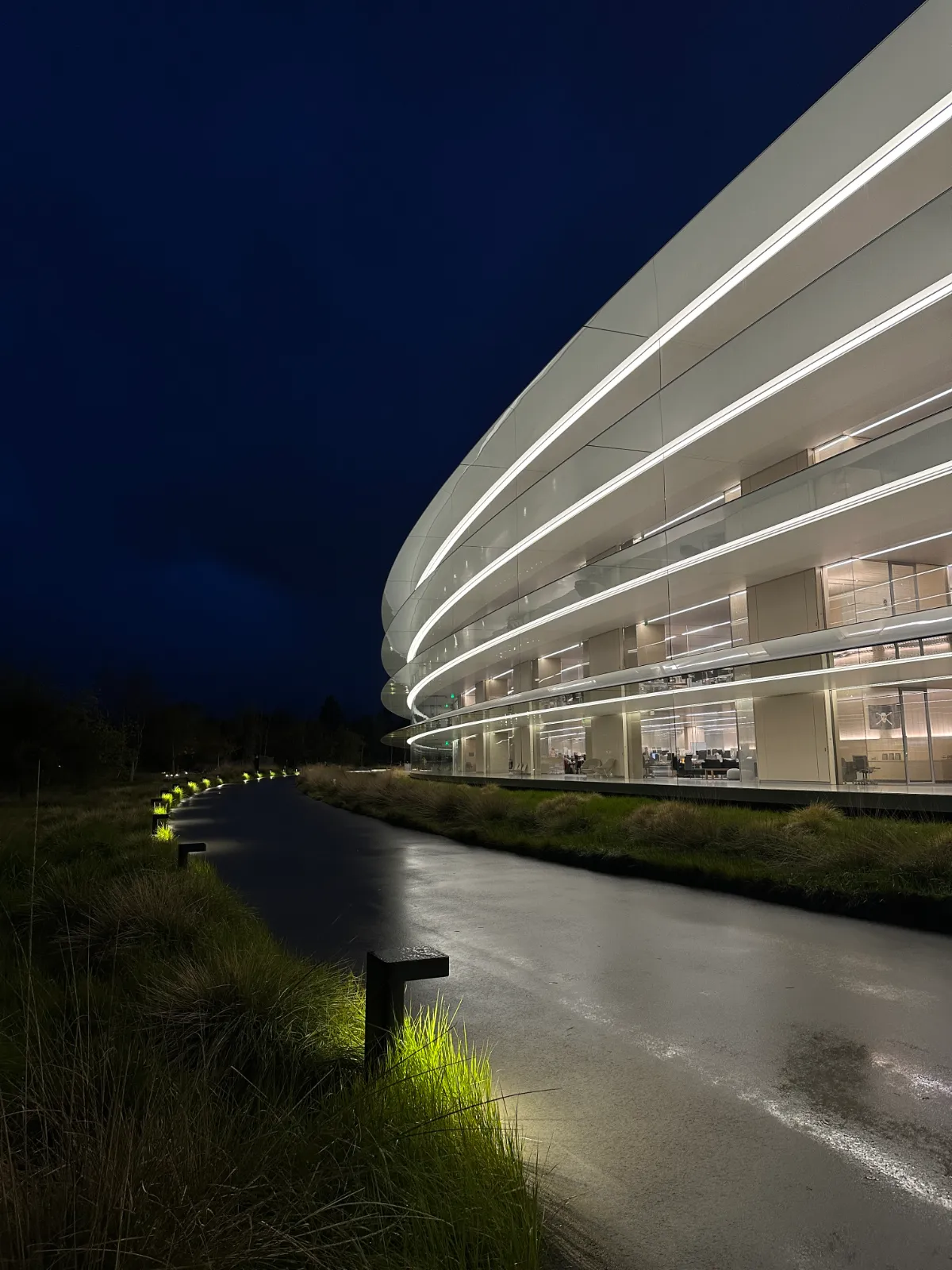
Apple Park at Night
Apple Park at Night
Inflight Entertainment System

Inflight Entertainment System2022

Human–Computer InteractionUser ResearchUX DesignUI Design

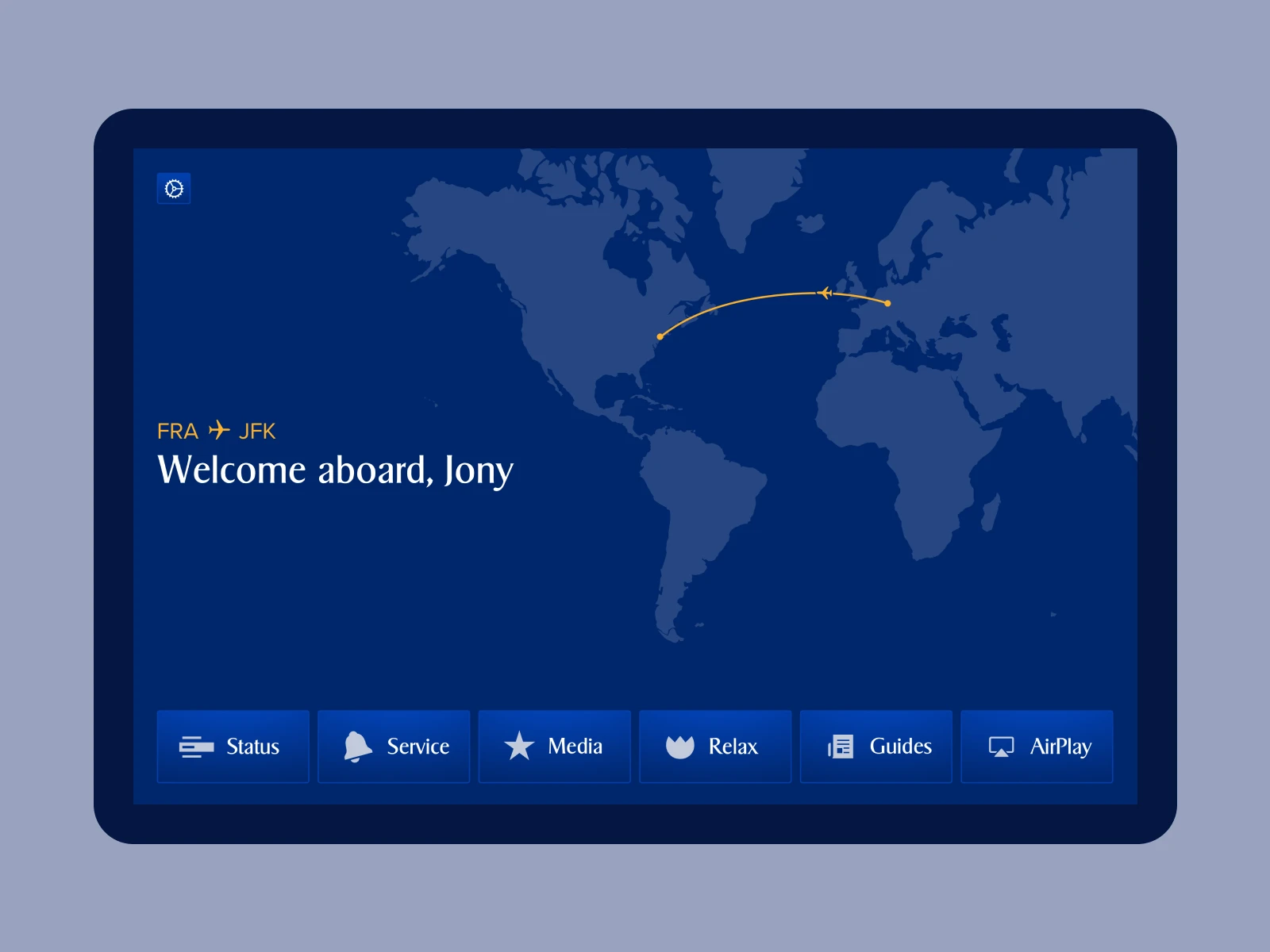
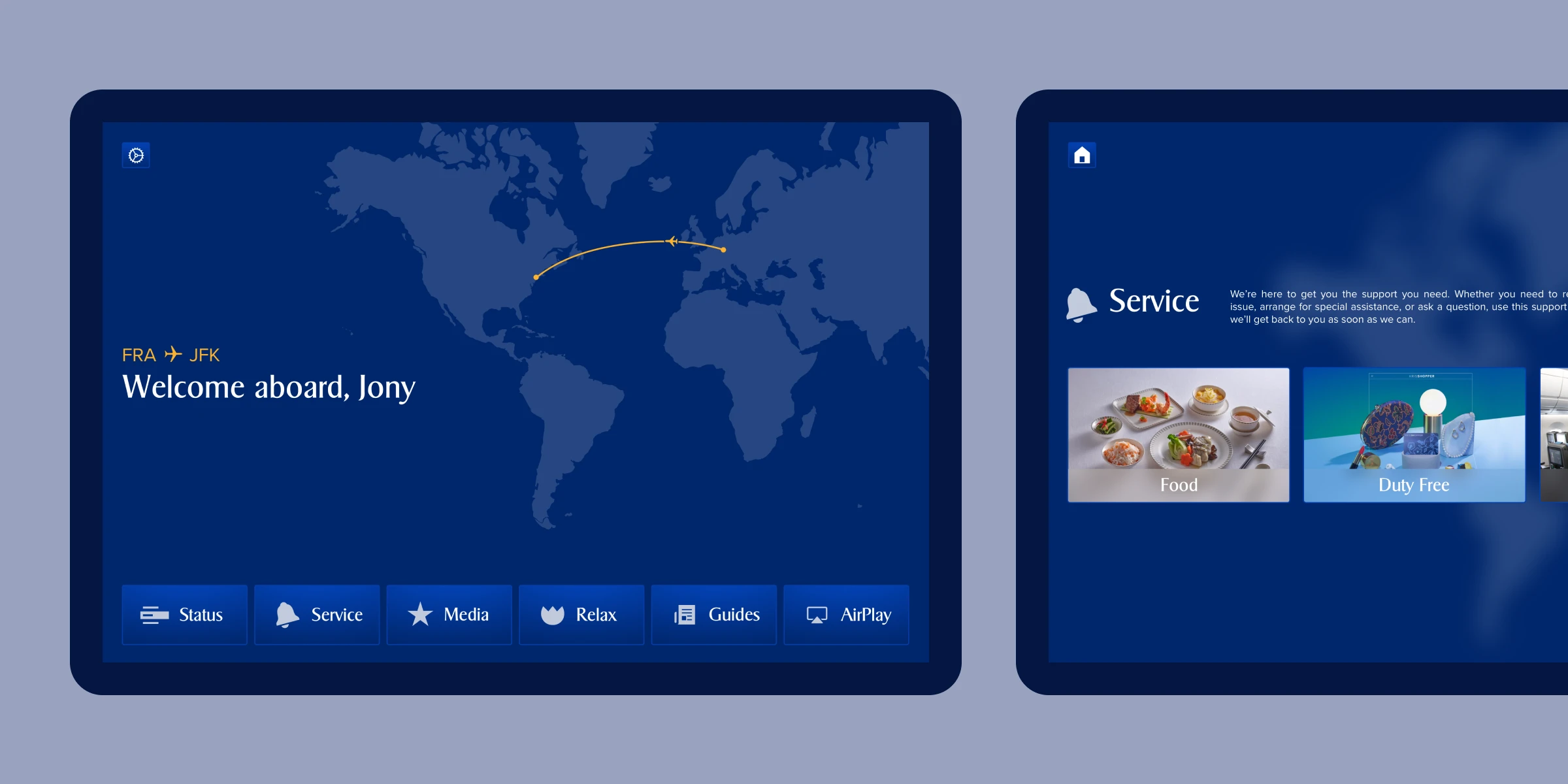
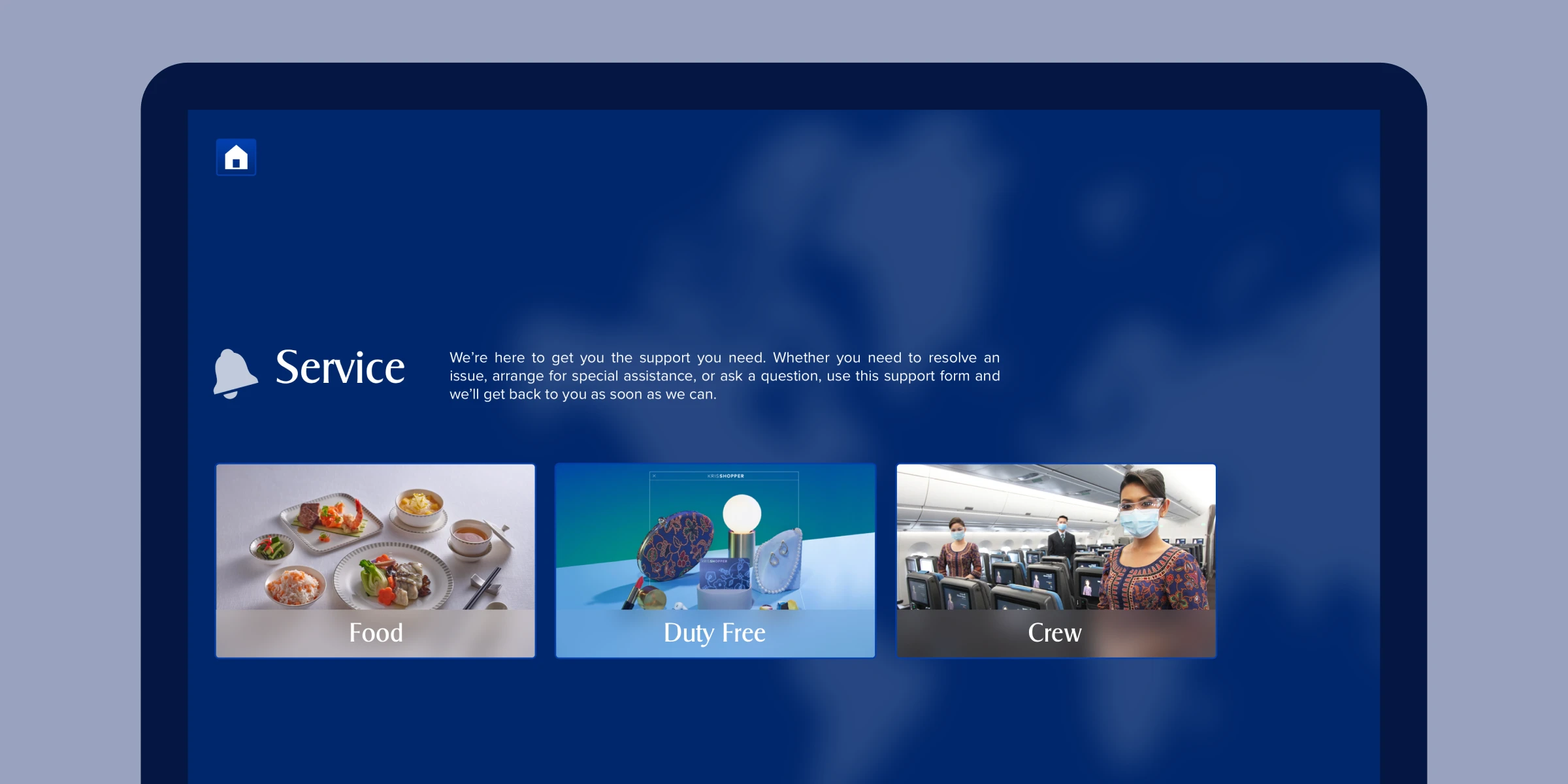
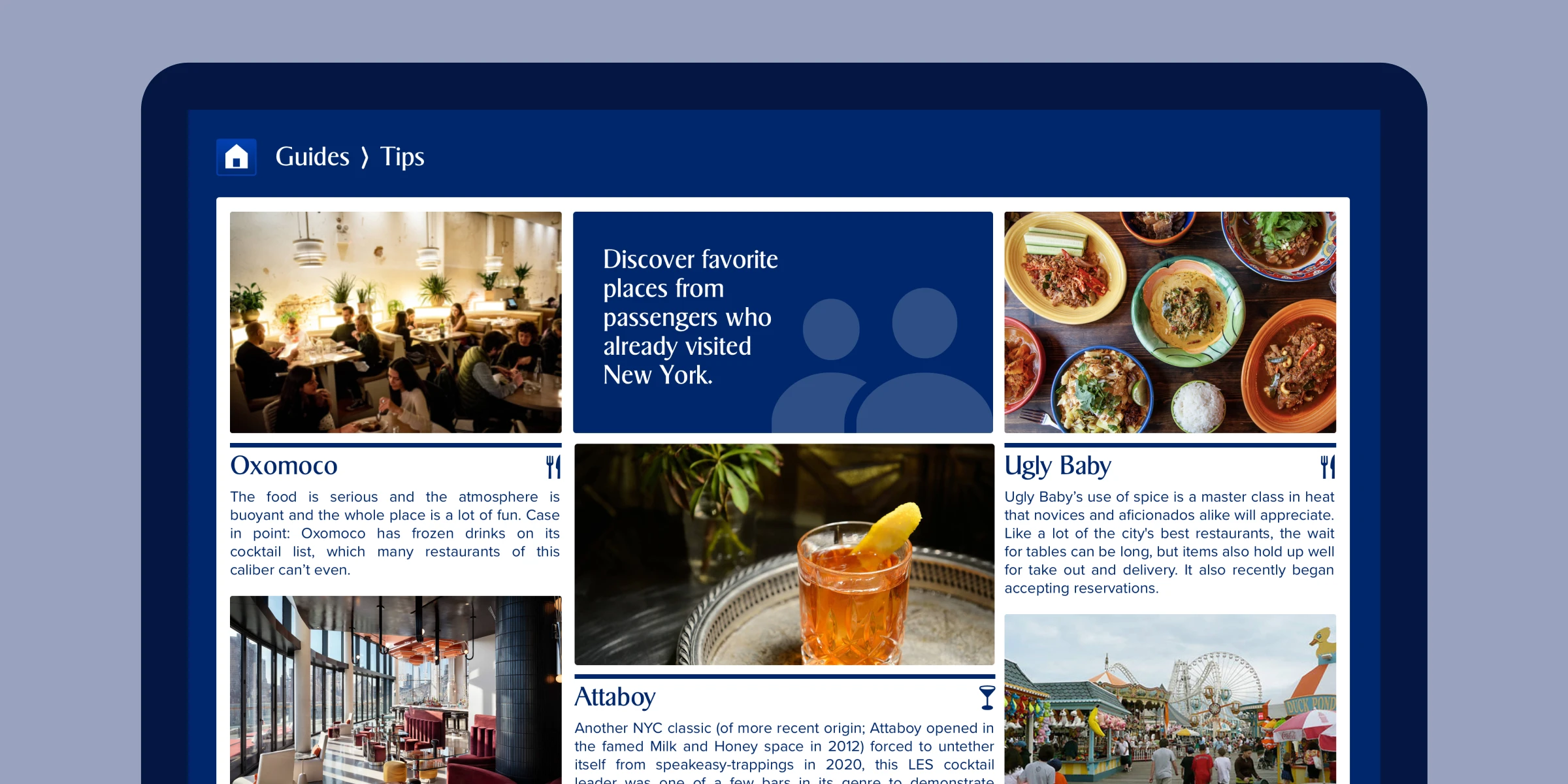
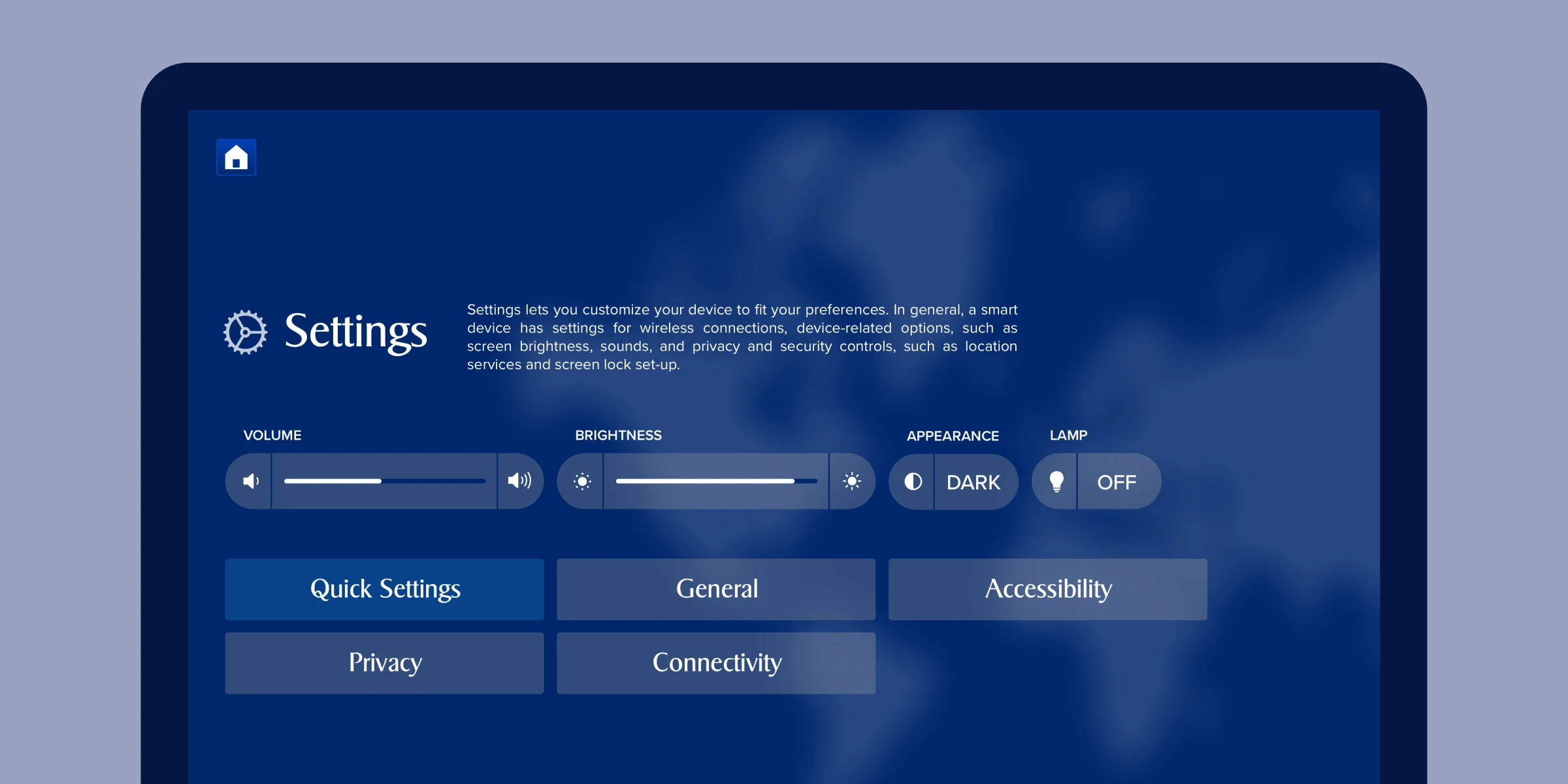
Most in-flight entertainment systems feel outdated, cluttered, and difficult to use. Through user research and interviews with frequent flyers in a Human–Computer Interaction course, I identified common pain points and designed a more intuitive infotainment experience around their needs.

Home Screen
Home Screen
Users can explore destination recommendations.
Quick access to the most relevant preferences.
Plastic World

Plastic World2022

Speculative Design

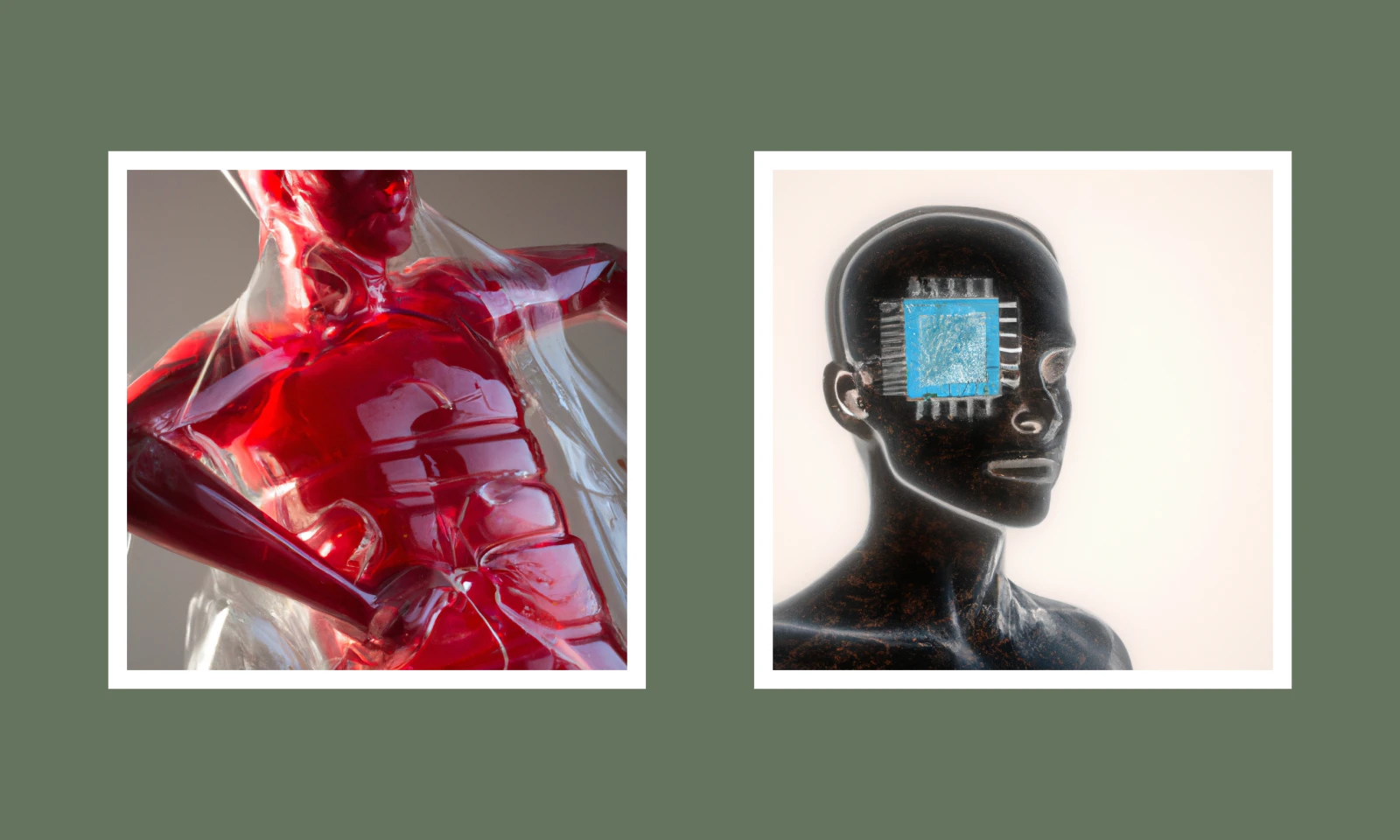
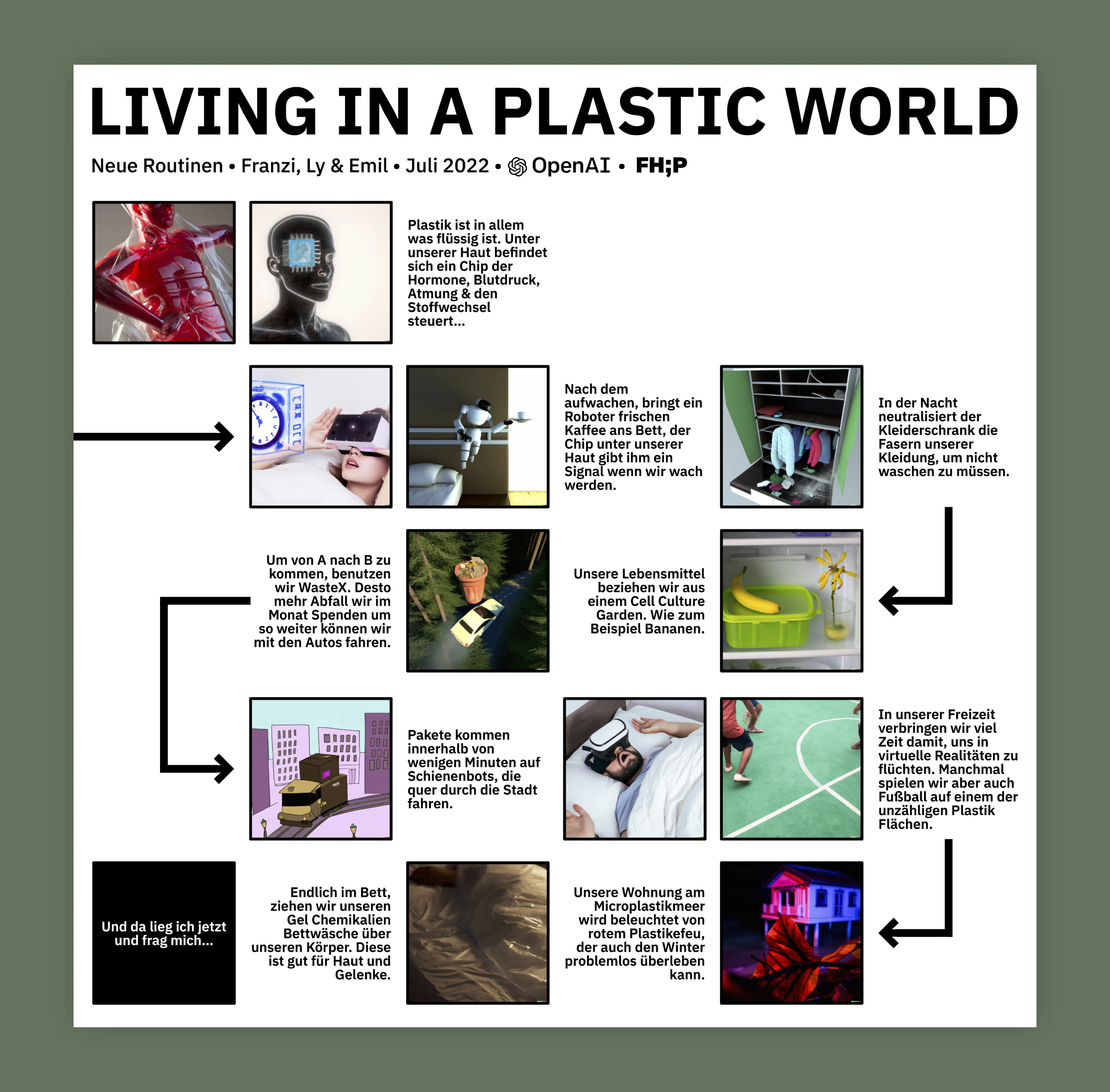
Based on an intense semester exploring routines—examining how they form, how they can be disrupted, and how new ones emerge—we imagined a dystopian future shaped entirely by plastic. We explored what everyday routines might look like in this world, using the transcript of an ideation workshop as the foundation for the narrative. With early beta access to OpenAI’s DALL·E, we generated images visualizing this speculative future and assembled them into a video.

I worked together with Franziska Hagen and Ly Hoang Thi on this Project.

Overview of the dystopian routine.
Typography

Typography2022

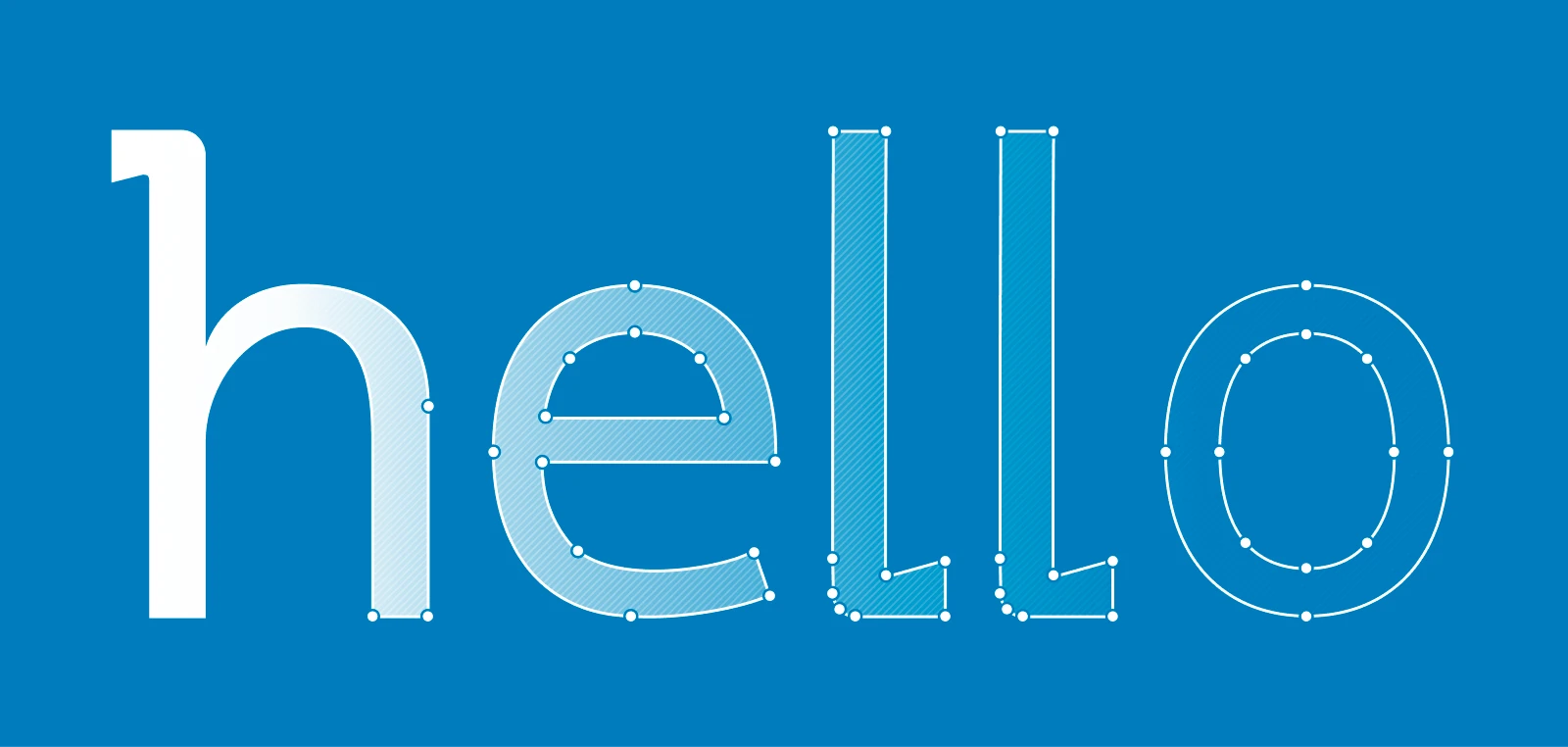
Designing my first typeface under the guidance of Lucas de Groot taught me that typography is all about precision, patience, and visual judgment. It reinforced an important lesson I still apply today: what feels right to the eye doesn’t always follow mathematical rules.

Detailed look at what makes my font unique.
Pangram
Pangram
Shot on iPhone

Shot on iPhone2017

Photography

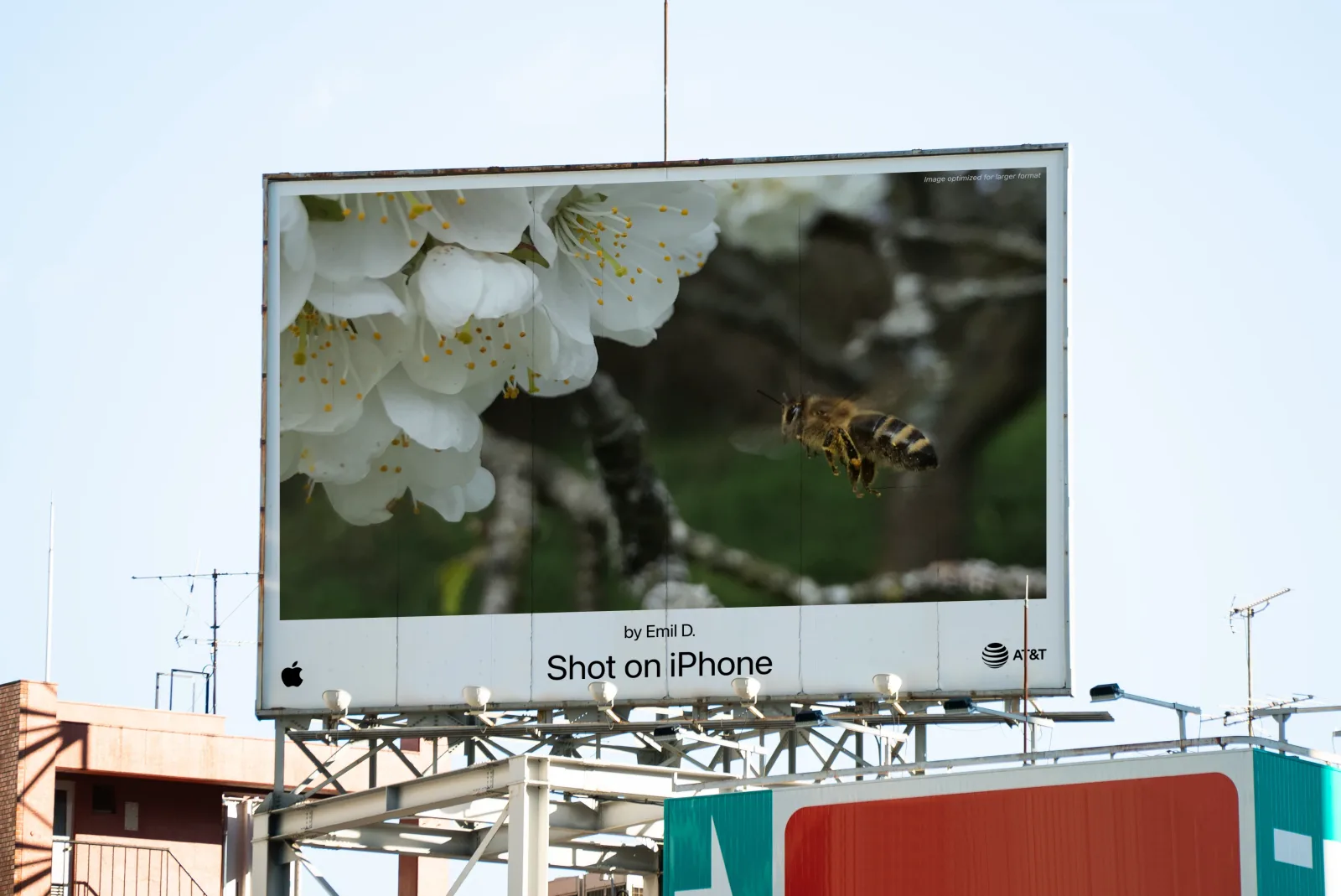
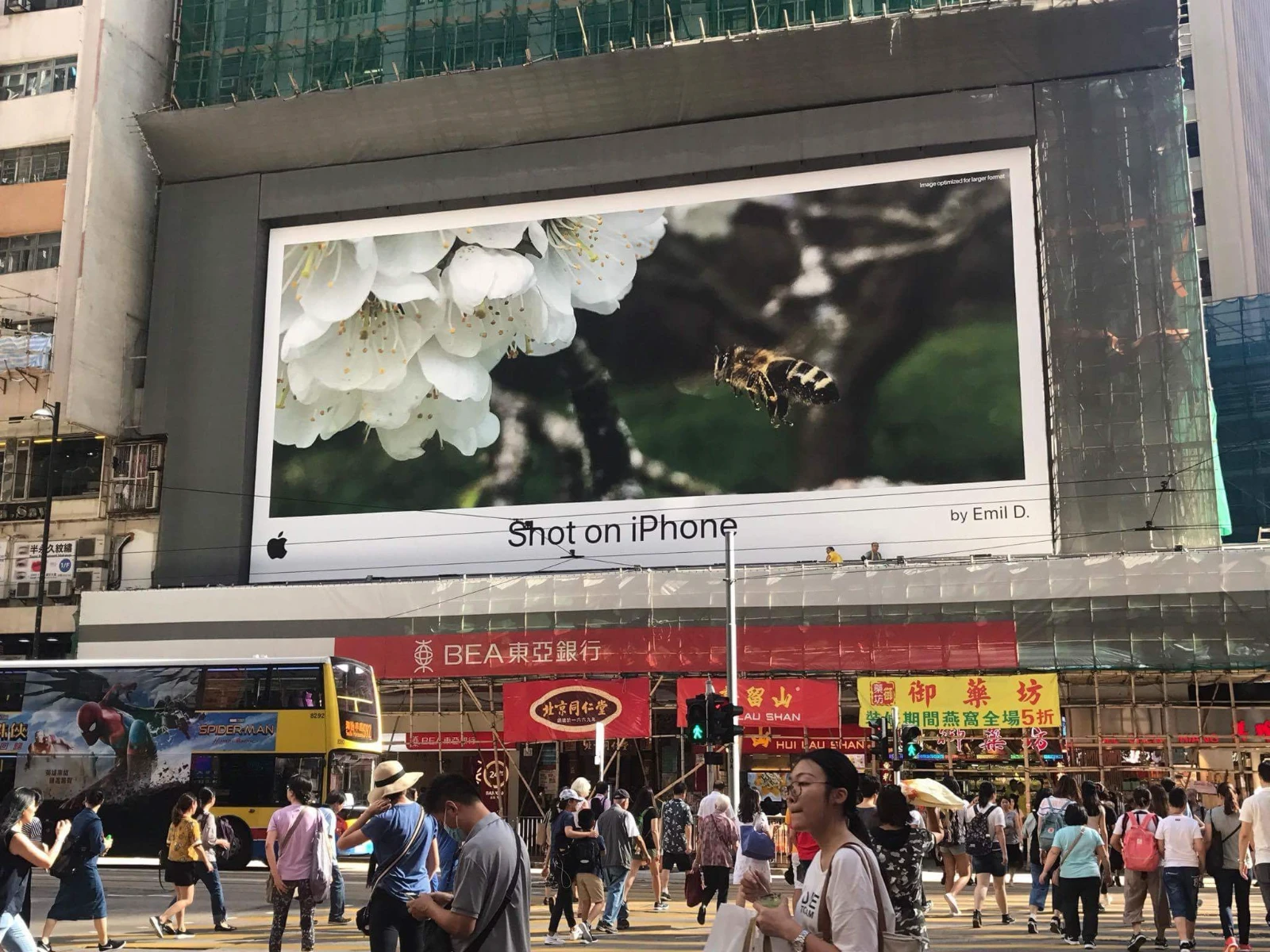
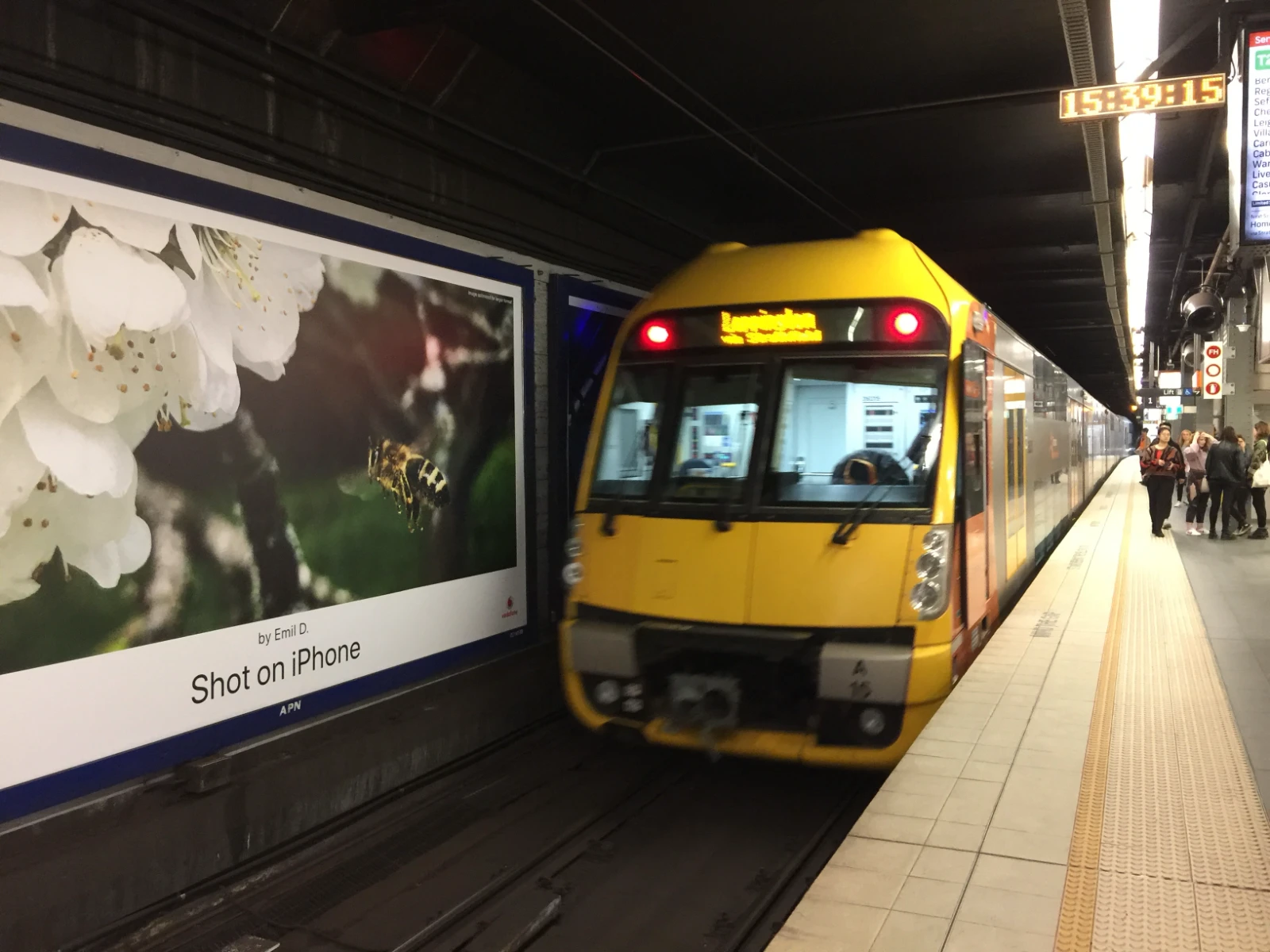
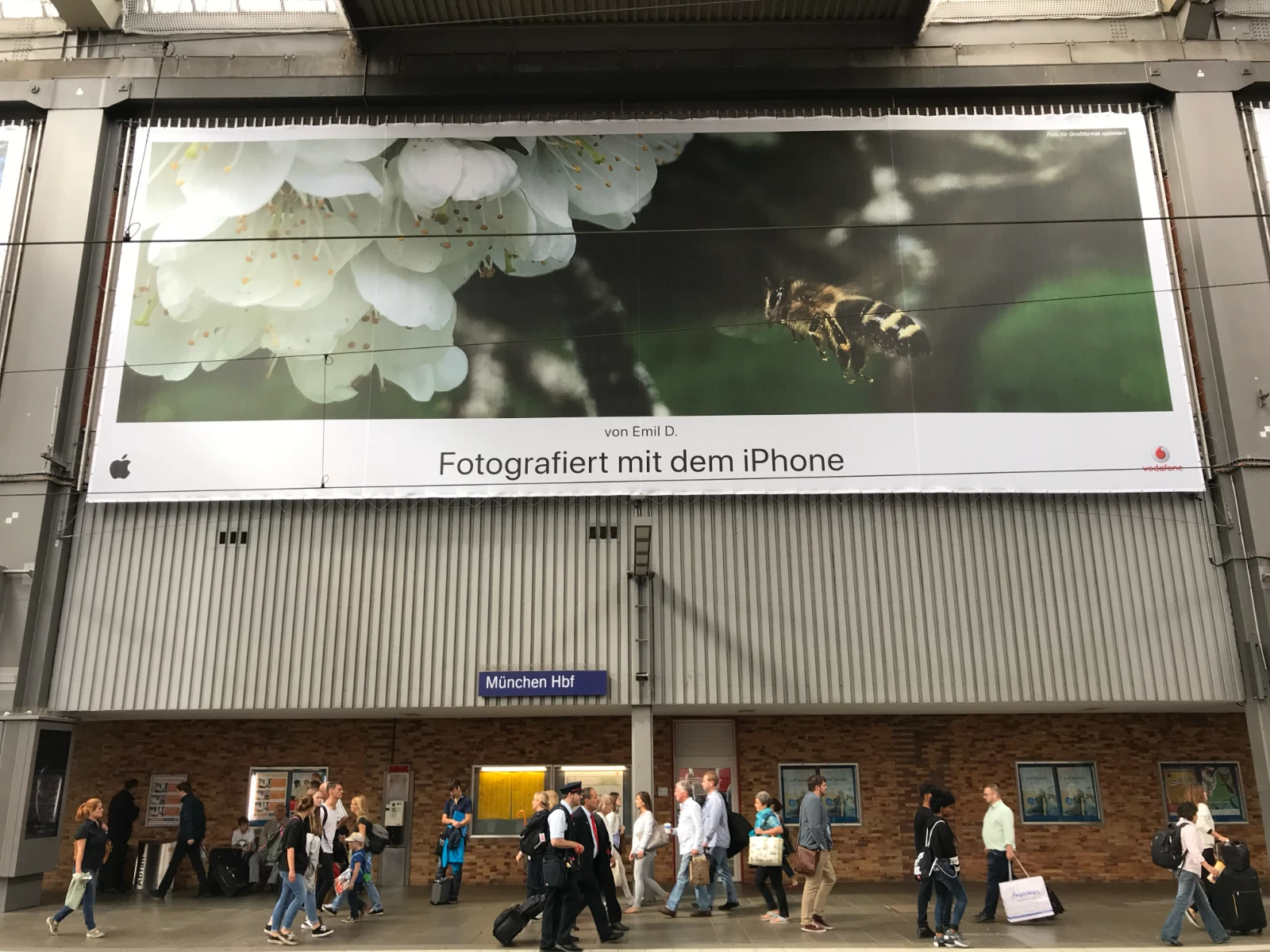
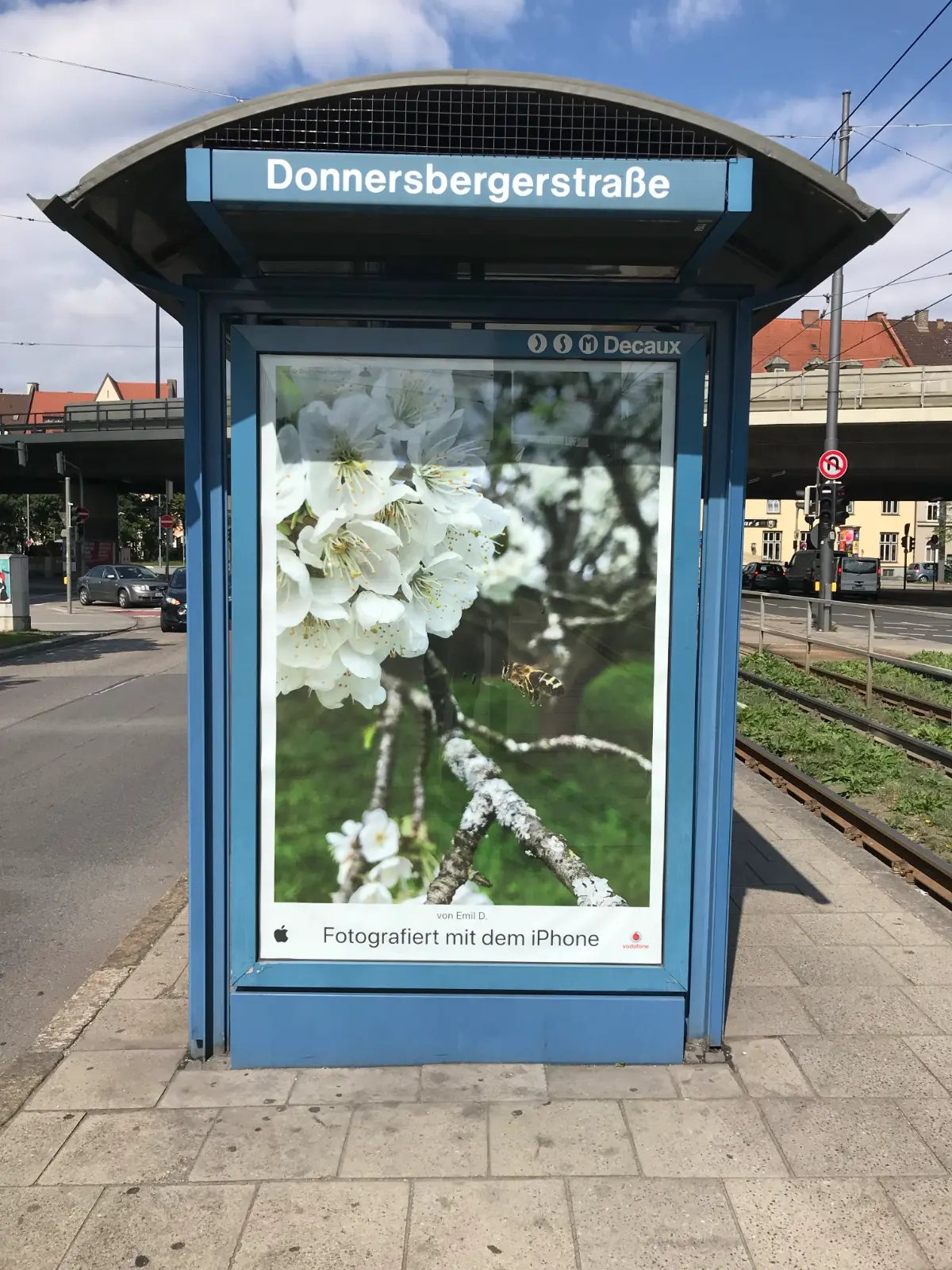
In 2017, one of my photographs, captured on my iPhone, was personally selected by Apple’s Senior Vice President of Software Engineering, Craig Federighi, to be featured in Apple’s award-winning Shot on iPhone campaign.

The image, a bee in flight approaching cherry blossoms, was showcased on billboards, transit stations, airports, magazines, and other large-format advertising spaces around the world. It appeared in some of the world’s most recognizable cities and landmarks, including New York, Chicago, London, Seoul, Shanghai, Sydney, Toronto, Istanbul, Madrid, Barcelona, Berlin, Frankfurt, Munich, Hamburg, Zurich, and many more.

Below is a non-exhaustive list of known campaign locations:

Germany

  • Frankfurt Airport – Check-in light boxes
  • Berlin Hauptbahnhof – Large banner
  • Berlin Alexanderplatz – Large banner
  • Berlin Alexanderplatz – Poster Gallery
  • Berlin – Cross-banner installation
  • Berlin Mehringdamm (U6/U7) – Station advertising
  • Berlin Kurfürstendamm – Poster Gallery
  • Hamburg – Large banner
  • Munich – Main station large banner

United States

  • Chicago – Clybourn Station domination
  • New York City – Port Authority Bus Terminal corridor

United Kingdom

  • London – Camden Crossways
  • London Underground – Old Street station domination
  • London Underground – Oxford Circus (Central Line)

Switzerland

  • Zurich – Main Station platform displays

Spain

  • Madrid – Nuevos Ministerios domination
  • Madrid – Atocha digital domination
  • Barcelona – Universitat domination

Turkey

  • Istanbul – Beşiktaş
  • Istanbul – Ünalan

Canada

  • Toronto – John & Wellington

Australia

  • Sydney – Epping Road, Lane Cove
  • Sydney – Bondi Junction (cross tracks)
  • Sydney – Town Hall Station (cross tracks)
  • Melbourne – Tullamarine Freeway
  • Melbourne – South Yarra Station (cross tracks)

South Korea

  • Seoul – Seoul Station

Mexico

  • Mexico City – Flower Stands

Malaysia

  • Klang Valley – Intermark South Panel

China

  • Chongqing – Jin Cheng Plaza
  • Chengdu – Chun Xi Building
  • Qingdao – Hisense Plaza Wing Building
  • Shanghai – Hai Hua Building
  • Shanghai – Huai Mao Green Space
  • Shanghai Metro – West Nanjing Road Station (Exit 2)
  • Shenzhen – Huan Yu Hotel
  • Tianjin – Pengying Building
  • Tianjin – Hai Guang Carrefour
  • Xi’an – New World Department Store

Hong Kong

  • Ying Kong Building
Ying Kong Building, Hong Kong
Town Hall Station, Sydney
Main Station, Munich
Donnersbergerstraße, Munich